What buyers usually mean when they search for an EC gas blower supplier
When engineers and sourcing teams search for an EC gas blower supplier, they are usually not looking for a generic fan brochure. They are trying to solve a more practical problem: finding a blower that fits inside equipment, connects cleanly to ducting, and can be supported by a manufacturer that understands industrial documentation, mounting details, and repeatable production.
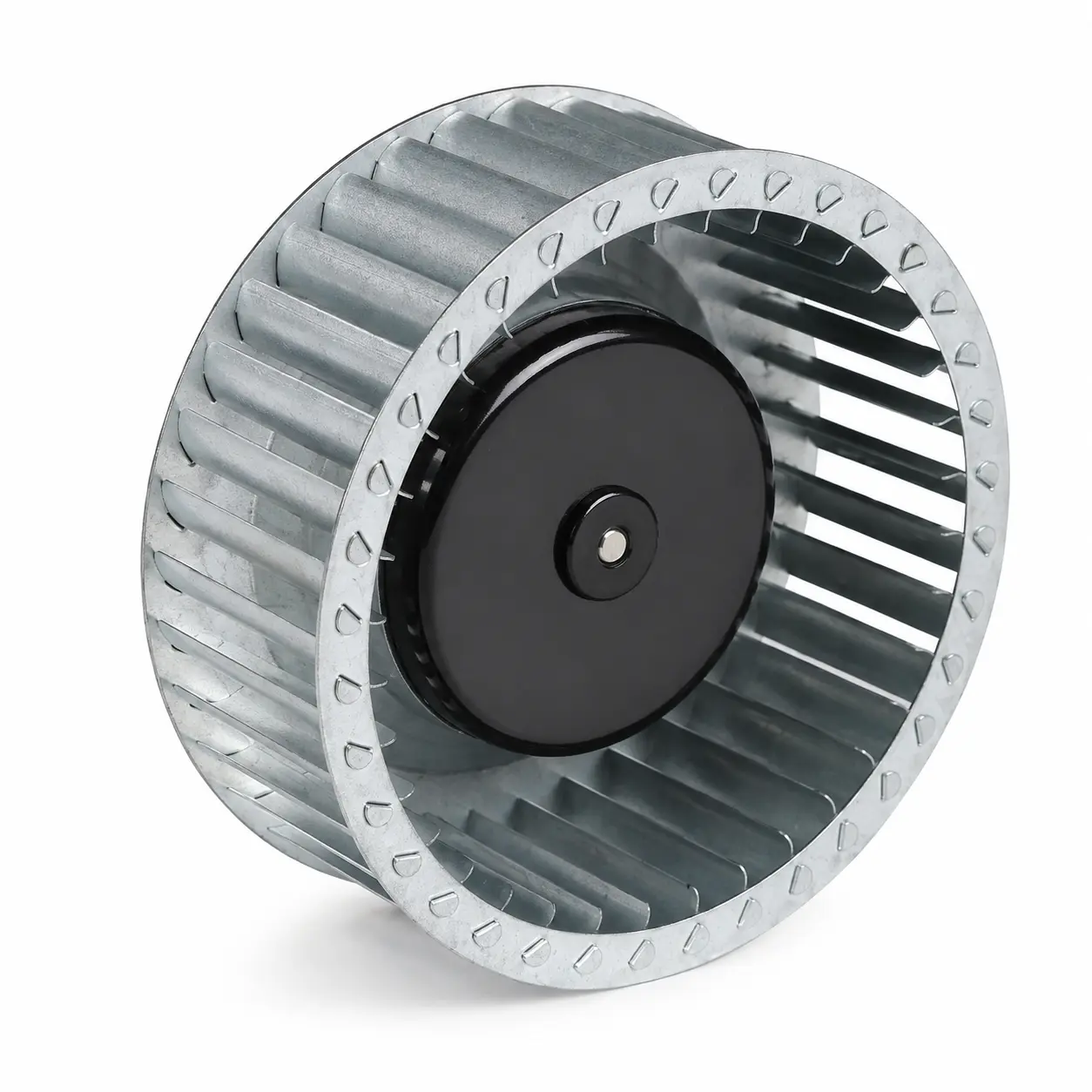
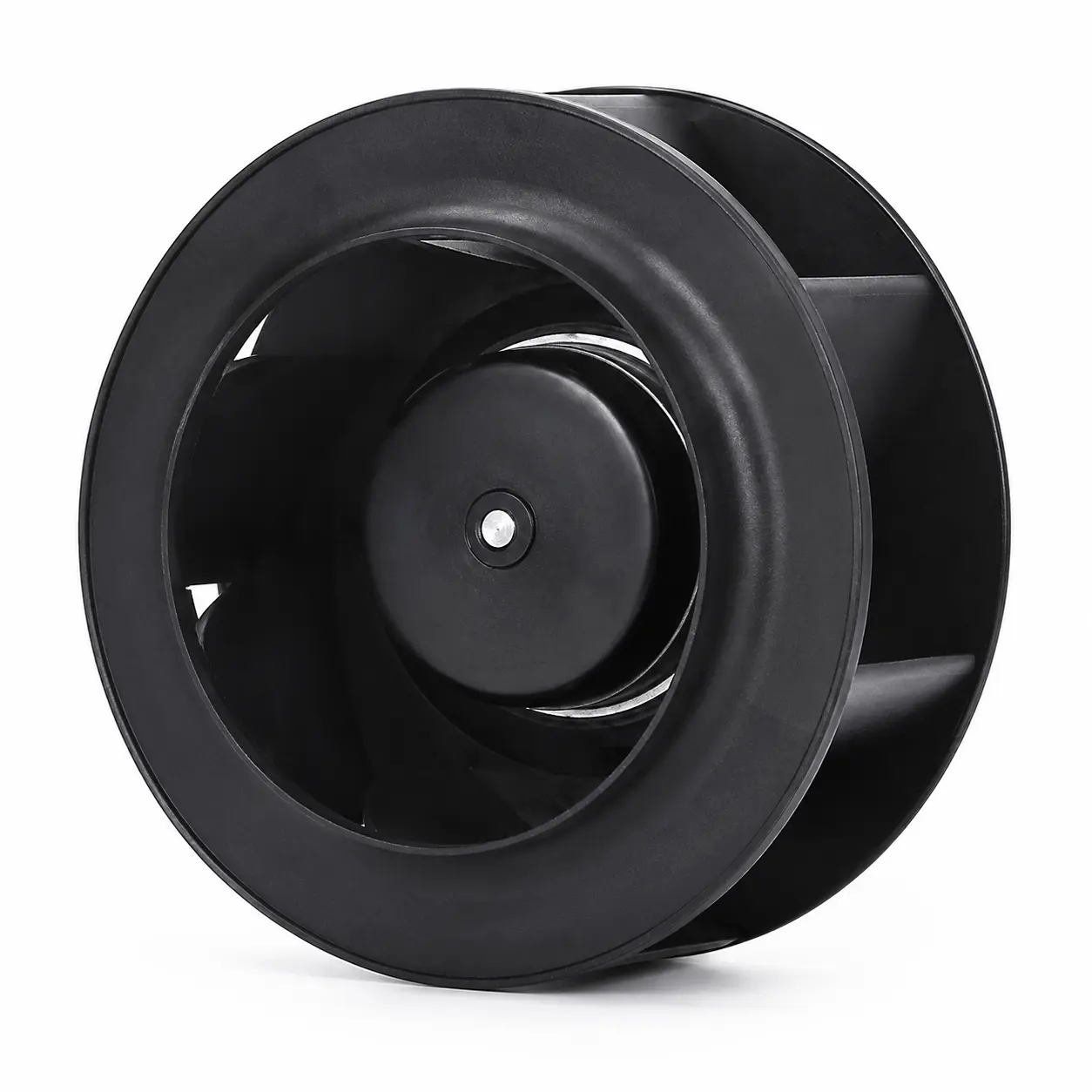
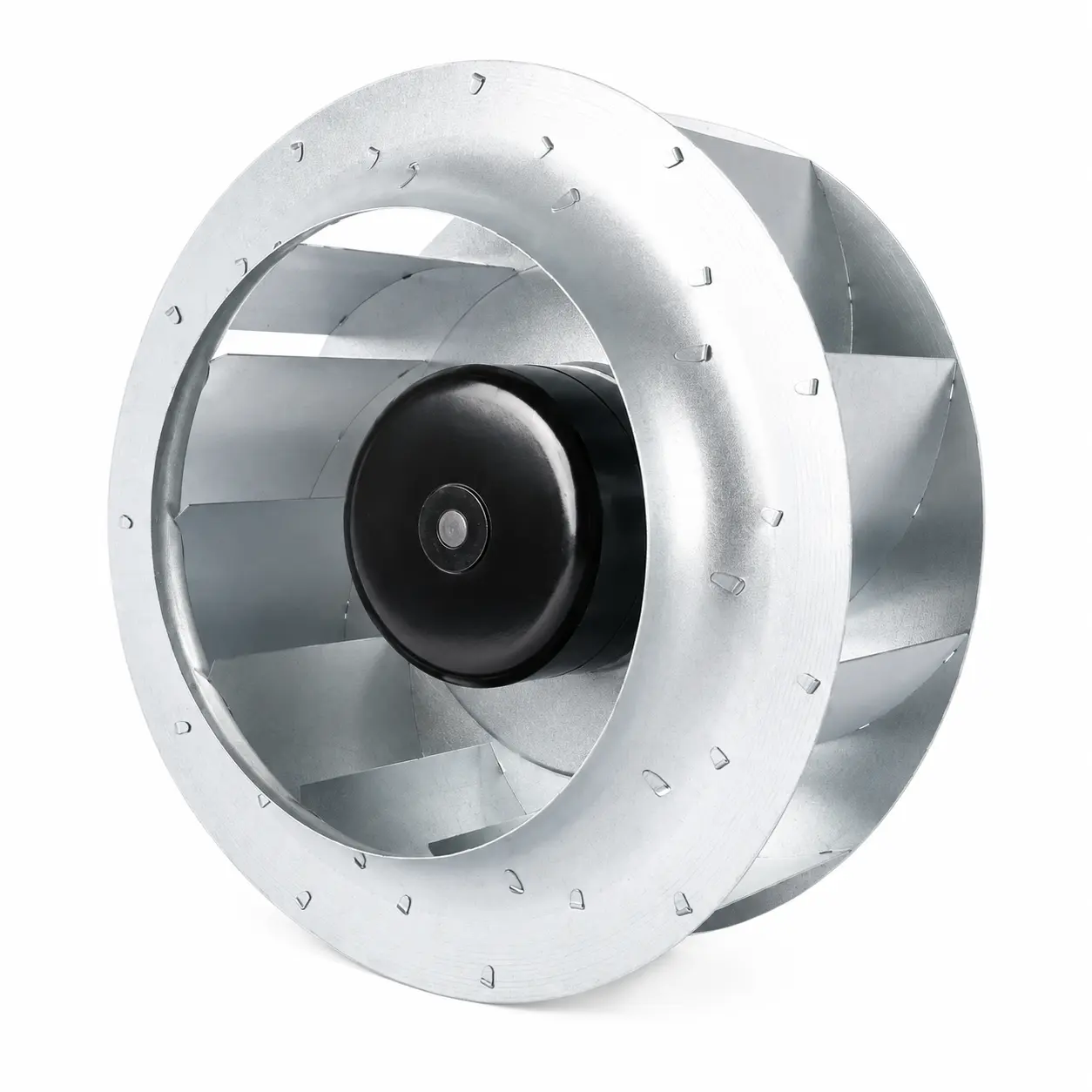
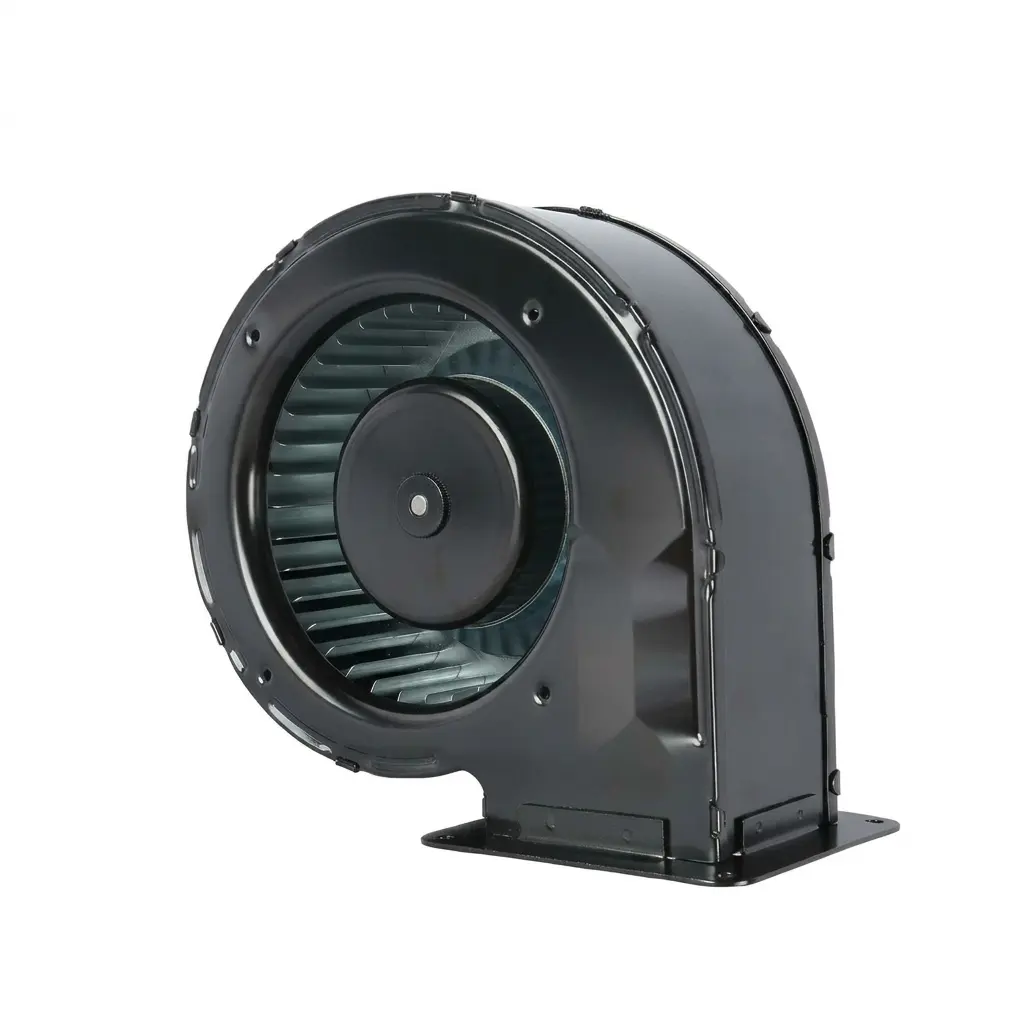
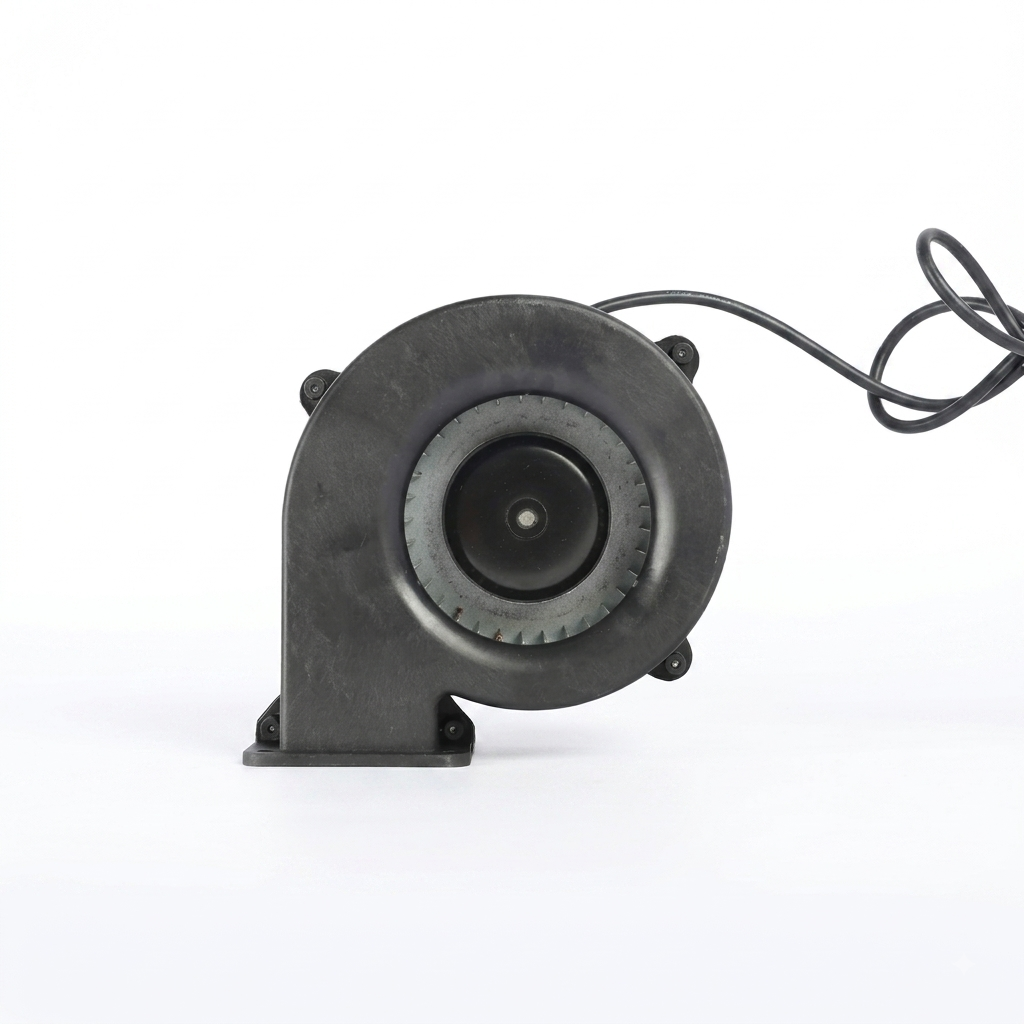
The unit shown in the provided product information appears to be a compact centrifugal blower fan, or radial fan assembly, with a round inlet, a volute-style body, and a rectangular discharge port. That geometry matters because it tells buyers how air moves through the unit and how the blower will be installed. It is the kind of product that ends up inside HVAC equipment, air purification systems, process machinery, or enclosure cooling packages, where space is limited and the mounting pattern has to be right the first time.
There is one caution worth stating early: the exact motor type is not confirmed by the image. So while EC blower sourcing is the topic here, the supplier questions below are useful whether the final design is EC, AC, or another motor configuration. In practice, the sourcing discipline is the same.
Why supplier selection matters more than the brochure
For a blower like this, the technical sheet only solves part of the problem. A decent-looking housing can still turn into a headache if the mounting bosses are inconsistent, the outlet flange is hard to integrate, or the vendor cannot support stable production from batch to batch. Buyers often underestimate how much downstream work depends on the supplier’s manufacturing control.
A reliable EC gas blower supplier should be able to speak clearly about housing construction, motor integration, and assembly consistency. The visible construction in the supplied details suggests a metal front housing, likely die-cast aluminum or a similar cast metal, with a black rear motor cover and internal impeller assembly. That is a sensible industrial approach for a compact blower that must fit inside equipment and tolerate regular mounting and service work.
If your product team is choosing between suppliers, the real decision is not just price. It is whether the supplier can deliver a blower that installs without rework, meets the airflow needs of the system, and comes from a factory that understands test discipline and documentation.
What the product structure tells you about application fit
The round inlet and rectangular discharge port are not cosmetic details. They signal a centrifugal airflow path, which is useful when air must be drawn in axially and pushed out into a duct or enclosure with usable pressure.
That makes this style of blower a fit for:
Industrial air handling systems
HVAC and ventilation equipment
Food-processing machinery
Medical or enclosure cooling systems
Ducted exhaust or supply air applications
The compact integrated form factor is especially relevant for equipment builders. It suggests the blower can be mounted inside a machine rather than treated as a standalone accessory. For sourcing teams, that is important because packaging, fastening points, and service access often matter as much as nominal performance.
One practical aside: when buyers focus only on airflow, they sometimes forget the flange geometry and threaded holes. Those details can delay a launch more than a small performance adjustment would.
Quick supplier comparison: what to check first
If you are evaluating an EC gas blower factory, start with the basics that affect both manufacturability and long-term support.
Does the factory produce fans in-house or merely assemble sourced parts?
Are there dedicated production lines and testing lines for fan products?
Can the supplier provide dimensional consistency around the mounting faces and discharge port?
Do they document the motor, impeller, and housing configuration clearly?
Can they support the certifications your target market requires?
According to the provided company notes, the manufacturer states fan production lines, testing lines, and an annual capacity of 200,000 fans. Those are useful signals, especially for buyers who need predictable supply rather than one-off prototype work. The same notes also mention certifications and compliance coverage for fan products including CCC, CE, LVD, RoHS, REACH, cUL, and ISO 9001. Buyers should still verify which documents apply to the exact model they plan to purchase, but it is a stronger starting point than a supplier with vague claims and no visible process control.
What a good factory discussion should cover
When you talk to an EC gas blower supplier, the conversation should move beyond generalities quickly. Ask about the housing material, the assembly sequence, and the inspection points on the production line. For a unit like this, machining of mounting faces and threaded holes can be just as important as the cast housing itself, because the product has to sit flat and stay fixed under vibration.
You should also ask how the motor housing is integrated with the fan body. The rear black section in the supplied description looks like a separate motor cover or motor housing, which suggests an electromechanical assembly rather than a single-piece shell. That is normal, but it means the factory needs control over fit-up, sealing interfaces, and fastener repeatability.
If the blower is intended for gas handling, even at a general level, confirm what the supplier means by “gas” in their product context. Some buyers mean combustion-related airflow, while others mean industrial ventilation or process gas movement. A cautious supplier will define the intended environment instead of stretching the product description too far.
Common mistakes buyers make during sourcing
One common mistake is treating all centrifugal blowers as interchangeable. They are not. A blower can look similar from the outside and still have very different performance, mount patterns, or electrical configurations.
Another mistake is assuming a motor type from the housing shape. The provided information does not confirm whether the motor is AC, DC, or EC, and it is better to keep that uncertainty on the table than to build a purchase decision on guesswork.
Buyers also run into trouble when they skip the integration details. A rectangular outlet that works in one machine may be awkward in another if the duct alignment is tight. Likewise, threaded bosses and flange locations should be reviewed against the actual equipment drawing, not just a catalog photo.
Finally, some teams overfocus on headline certifications and ignore whether the supplier can actually manufacture at scale. Compliance matters, of course, but a certification list is not a substitute for a working production line.
Practical questions to ask before you issue a purchase order
You do not need a long questionnaire, but you do need the right questions.
What is the exact housing material and surface finish?
How are the mounting faces machined and checked?
What parts are cast, stamped, or assembled?
Which certifications apply to the exact blower model?
What test points are used before shipment?
Can the supplier support repeat orders with stable dimensions?
If the answer to any of those is vague, pause. That is usually the point where sourcing teams save themselves from later rework.
FAQ for engineering and sourcing teams
Is this product definitely an EC blower?
Not from the supplied image alone. The product appears to be a compact centrifugal blower fan or radial fan assembly, but the exact motor type is not confirmed.
Why does the housing style matter?
Because the housing determines airflow path, duct connection, and installation method. It also affects how easy the unit is to mount and service.
What makes a factory more credible than a trading-only source?
Visible production lines, test lines, clear manufacturing details, and consistent model documentation are all good signs. Annual capacity also matters when you need stable supply.
Are certifications enough to choose a supplier?
No. They matter, but they should sit alongside manufacturing control, dimensional consistency, and application fit.
Next step for buyers
If you are comparing an EC gas blower supplier against other options, start with the drawings, then the mounting interface, then the compliance documents, and only then the commercial terms. That order saves time. A factory can look excellent on paper and still be a poor fit if the outlet shape, threaded holes, or motor integration do not match your equipment.
For teams looking for a source with fan production lines, testing lines, and stated certification coverage, the next move is to request model-specific data and confirm whether the supplied blower geometry matches your application. If you are working from a machine envelope or a duct layout, that is the document to send first, not a broad RFQ with too many assumptions.