Residential Heating
Precisely controlled airflow for condensing boilers and home heating systems. E-POWER gas blowers support efficient, low-emission combustion across changing heating demands.
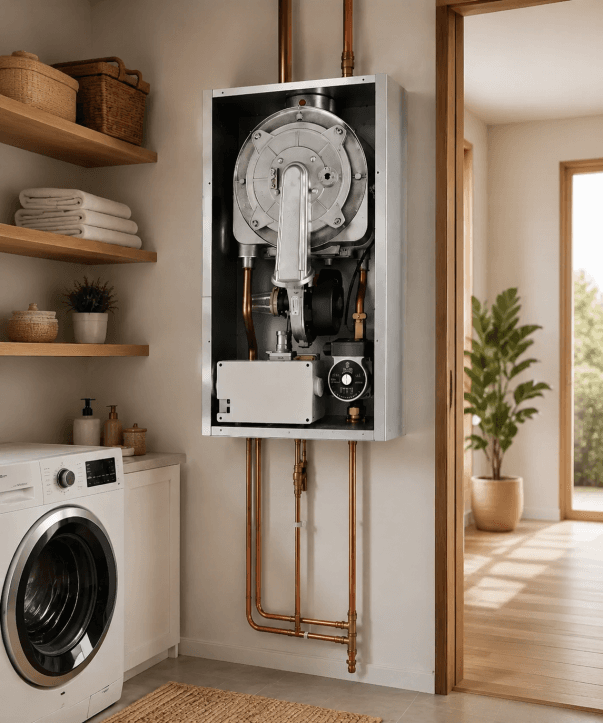
What the blower does
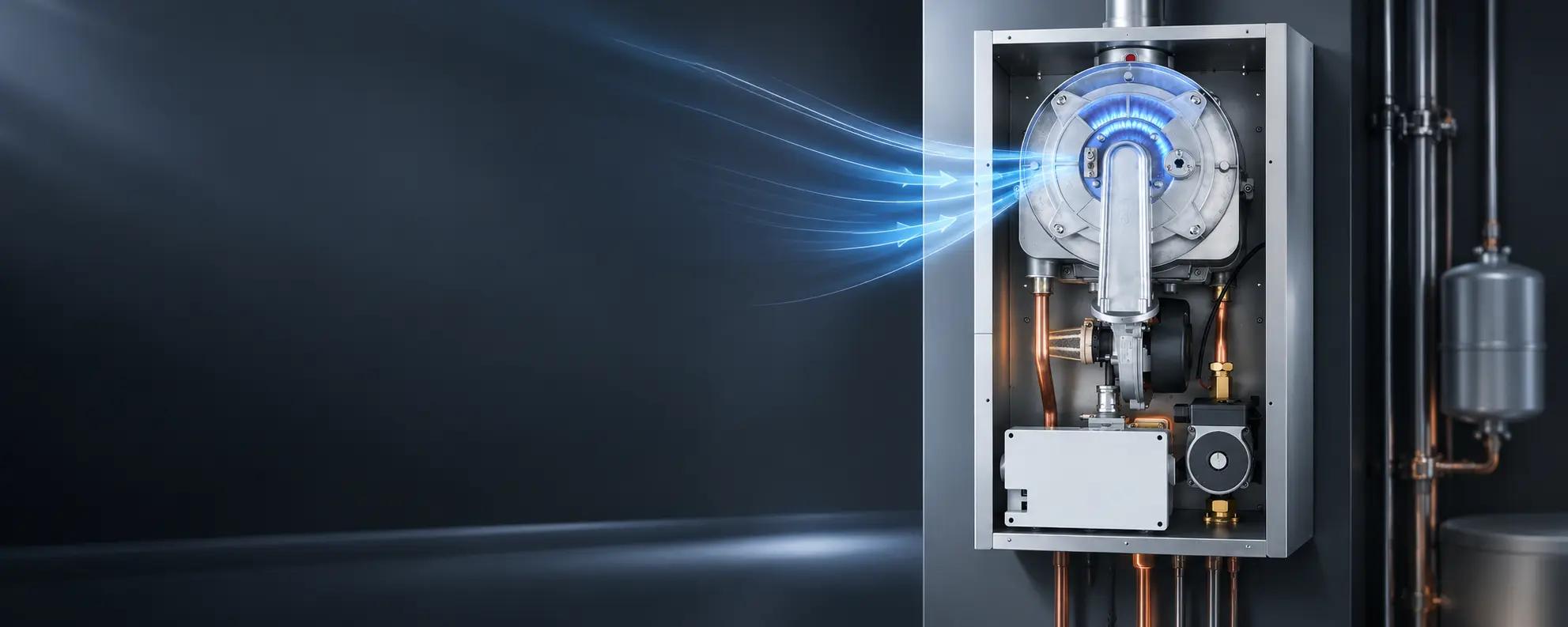
Airflow through the complete system
Supplies the burner with precisely controlled combustion air, enabling high-efficiency, low-emission combustion.
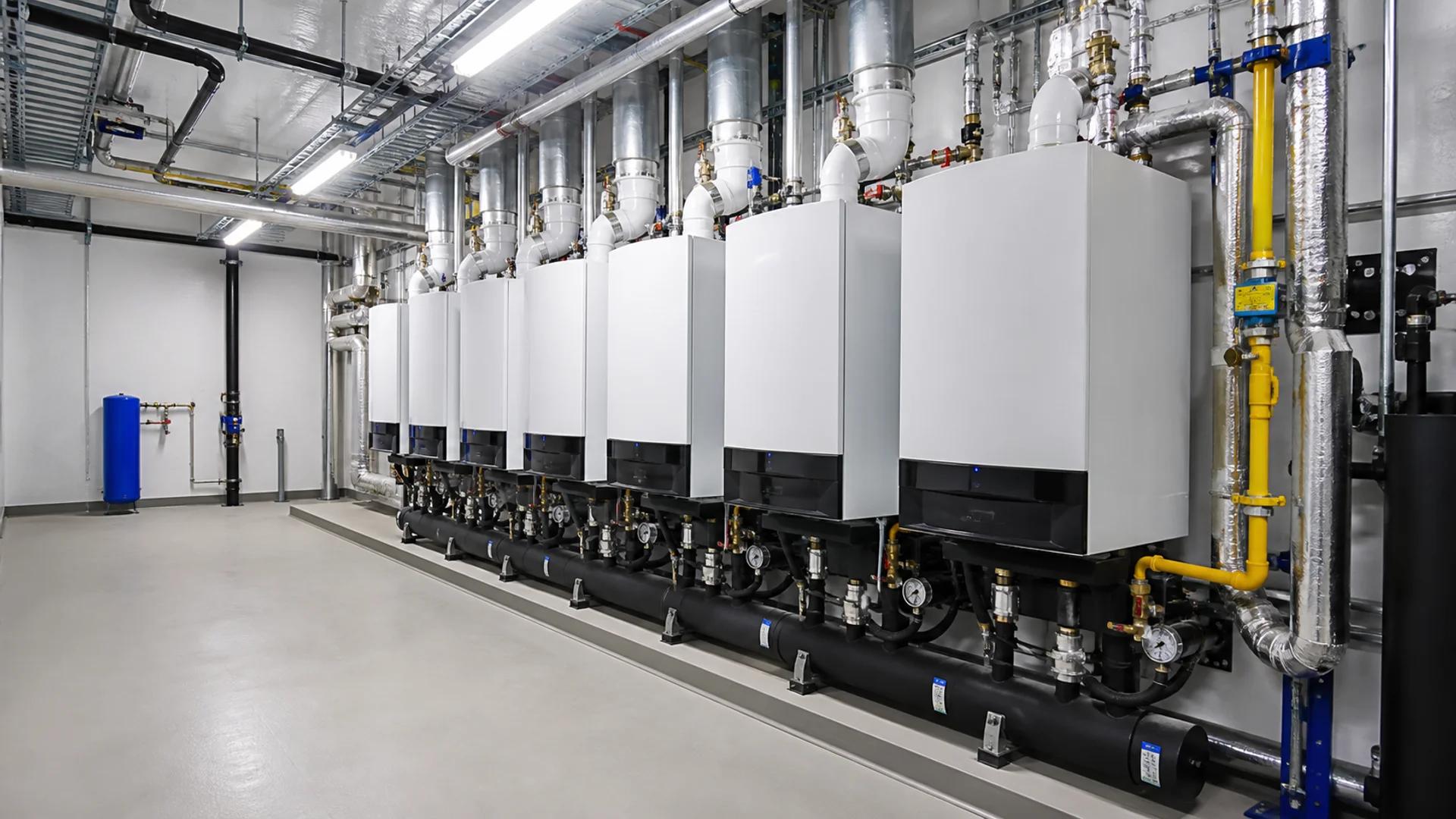
- Fully premixed condensing wall-hung boiler
- Gas-fired heating and hot-water boiler
- 01
Air inlet
Filtered room air enters the appliance.
- 02
Combustion blower
Airflow follows the requested heating load.
- 03
Gas-air premixing
Air and gas are combined at a controlled ratio.
- 04
Burner and heat exchanger
Stable combustion transfers heat to the water circuit.
Recommended product range
Products for Residential heating
Start from required airflow at static pressure, then coordinate voltage, modulation range, Venturi, gas valve and heat-exchanger resistance.
01 / 01
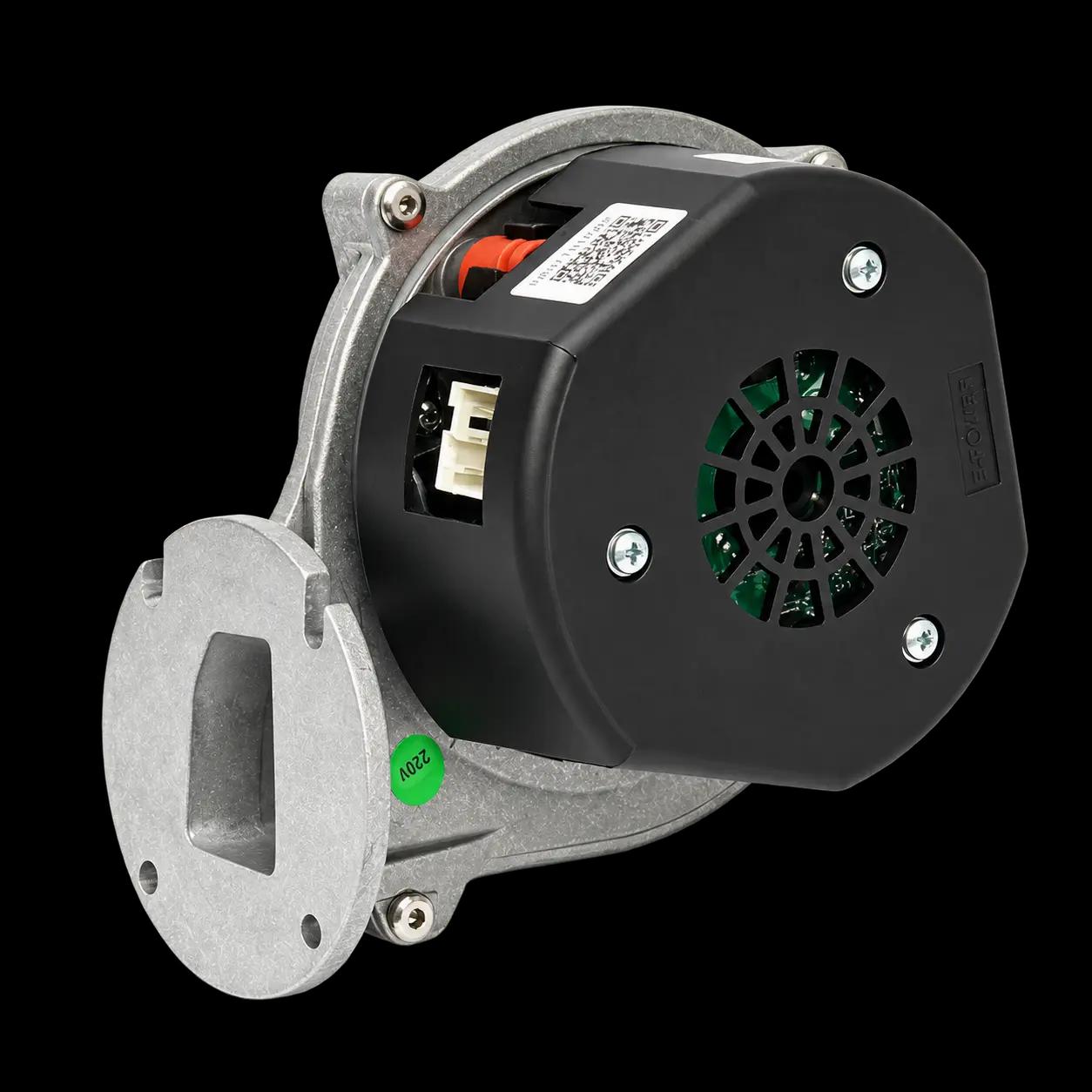
EC Gas Blowers
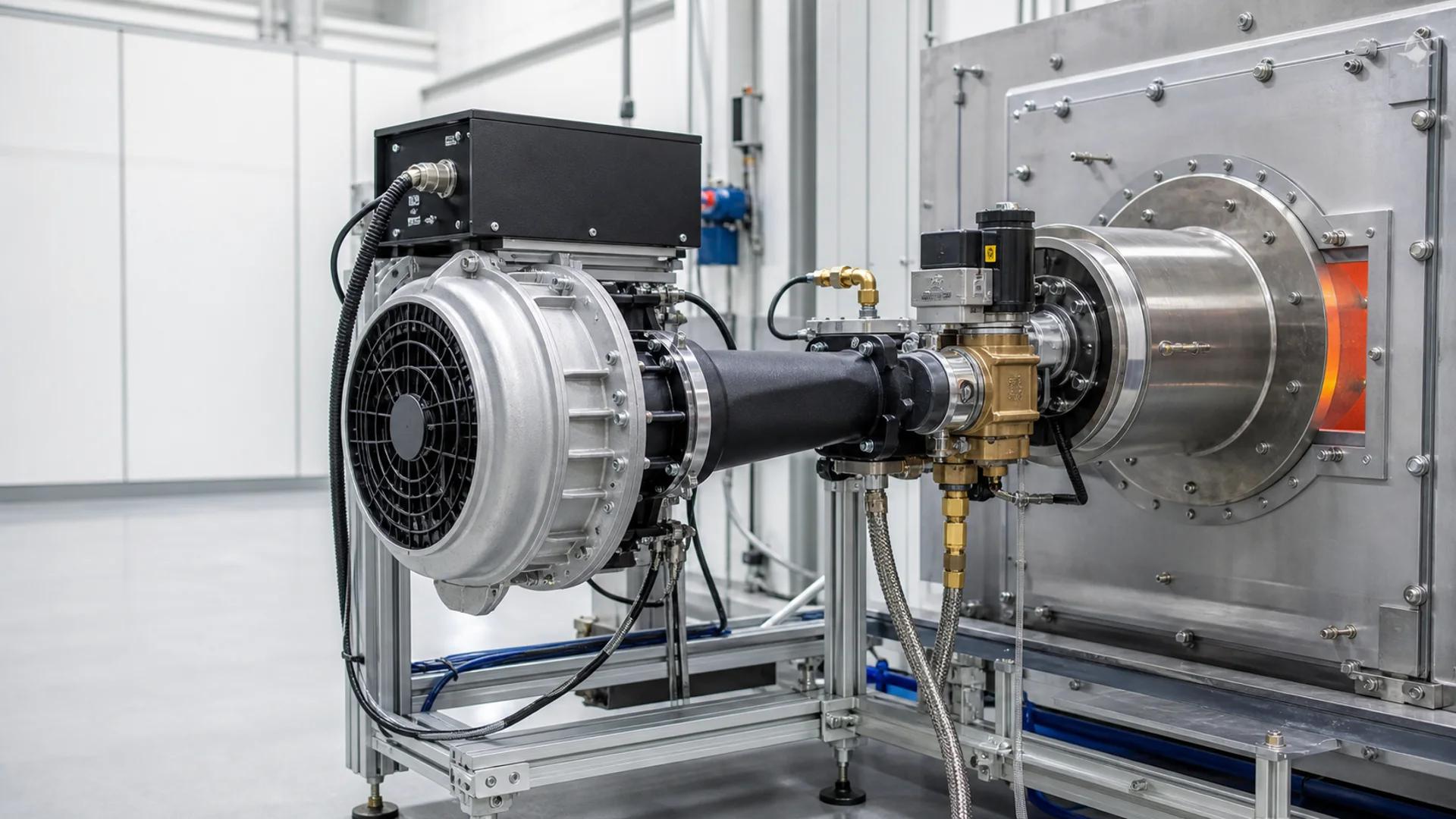
EC Gas Blower for Heating and Combustion Systems
High-efficiency EC gas blower designed for heating and combustion equipment, featuring advanced electronic control, stable airflow performance, low energy consumption and customizable solutions for OEM applications.
View product details
Bring us the equipment requirement
Send the target operating point and integration constraints. We will help evaluate a suitable blower direction and validation plan.
FAQ
Questions from equipment manufacturers
What products does Ningbo E-Power Energy Technology Co., Ltd. manufacture?+
Ningbo E-Power Energy Technology Co., Ltd. manufactures EC centrifugal blowers and supplies related components for equipment-level integration. Its product range includes D-RG series blowers, gas valves, premixers, controllers, speed controllers, and air filters. As an EC blower manufacturer, E-Power works with equipment manufacturers on airflow, static pressure, electrical interfaces, control methods, installation requirements, and prototype validation. The company can support individual blower selection or coordinated component matching for new equipment, OEM development, and technically evaluated replacement projects.
Which D-RG EC centrifugal blower should I select for my equipment?+
Select a D-RG EC centrifugal blower by matching the required airflow and static pressure at the same point on its performance curve. E-Power offers platforms including D-RG77, D-RG100, D-RG118, D-RG138, D-RG148, and D-RG170, with different structural versions for project needs. Maximum airflow and maximum pressure are separate curve endpoints, not one combined duty point. Selection must also consider system resistance, load range, voltage, control, feedback, inlet and outlet geometry, environment, noise limits, and prototype testing in the actual equipment.
Can E-Power variable-speed EC blowers use PWM or 0-10V control?+
E-Power variable-speed EC blowers can support pulse-width modulation (PWM) or 0-10V control on applicable project configurations. The equipment designer must confirm signal frequency, voltage level, reference ground, effective input range, minimum and maximum speed limits, startup behavior, and fail-safe state. If the controller reads speed feedback, the feedback type and pulse relationship must also match. Identical PWM duty cycles or 0-10V commands can produce different speeds on different models, so control compatibility must be checked alongside the airflow-pressure curve and power supply.
Do Full premix fan, Combustion blower, and EC combustion fan mean the same product?+
These terms overlap, but they do not automatically identify the same product. Full premix fan, Full premix combustion fan, Full premix condensing fan, Premix combustion fan, Premix combustion blower, and Premix fan usually describe air movers for premixed combustion. Condensing boiler fan, Combustion air fan, Combustion blower, Gas burner blower, Combustion air blower, and Boiler combustion fan emphasize equipment or function. High-efficiency combustion fan, Variable speed combustion fan, EC combustion fan, and BLDC combustion fan describe intended benefits, control, or motor technology. A full premix combustion fan manufacturer must still verify curves, interfaces, and system suitability.
Can E-Power blowers be used in wall-hung and combi boilers?+
E-Power blowers can be evaluated for a Wall-hung boiler, Wall-hung gas boiler, Wall-mounted boiler, Wall-mounted gas boiler, Gas wall-hung boiler, Condensing wall-hung boiler, or Wall-hung condensing boiler. Related applications include a Residential gas boiler, Domestic gas boiler, Condensing combi boiler, and Gas combi boiler. E-Power supplies blower platforms to equipment makers, including a wall-hung condensing boiler manufacturer or gas combi boiler manufacturer, but does not manufacture the complete boiler. Final selection depends on modulation range, pressure losses, gas-train matching, ignition behavior, flue conditions, and complete-boiler testing.
What blower information is needed for gas, heating, and condensing boilers?+
A Boiler project needs defined airflow-pressure operating points across its full load range. Whether the equipment is called a Gas boiler, Gas-fired boiler, Heating boiler, Hot water boiler, Condensing boiler, High-efficiency boiler, or High-efficiency gas boiler, E-Power needs the system resistance, supply, control, feedback, inlet and outlet, and environmental requirements. A high-efficiency gas boiler manufacturer should also provide burner and flue information. The blower can support system operation, but boiler efficiency, emissions, ignition stability, and safety remain complete-equipment results that require qualified validation.
Does E-Power provide OEM or application-specific blower solutions?+
E-Power supports OEM blower projects and application-specific matching based on technical feasibility, expected volume, and validation requirements. As an OEM blower manufacturer, the company can discuss voltage, control logic, communication functions, wiring, connectors, mounting interfaces, outlet configuration, and supporting components for suitable projects. The process normally begins with requirements review, followed by model screening, drawing and interface confirmation, samples, prototype testing, approval, and controlled production release. Available customization scope, minimum quantity, tooling, validation responsibility, and lead time must be confirmed for each project rather than assumed from a standard model.
What information should I provide for blower selection or a quotation?+
For a useful model recommendation or quotation, provide the equipment type, target airflow and static pressure at minimum, rated, and maximum load, supply voltage and frequency, control signal, speed-feedback requirement, and expected annual quantity. Include installation drawings, inlet and outlet dimensions, connector details, operating temperature, moisture, dust, grease or chemical exposure, noise targets, duty cycle, and any current blower model or curve. Combustion projects should also include available gas-valve, premixer, burner, fuel, gas-pressure, heat-exchanger, and flue information for engineering review.