Why buyers search for an EC blower manufacturer
When engineers and sourcing teams start looking for an EC blower manufacturer, they are usually trying to solve a practical problem rather than compare technologies in the abstract. The issue is almost always about airflow that is compact, controllable, and efficient enough to fit inside modern equipment. In HVAC systems, air handlers, filtration units, industrial cabinets, food-processing machines, and enclosure cooling packages, the blower has to do more than move air. It has to fit the footprint, run reliably, and be easy to integrate into a larger assembly.
That is why the choice of supplier matters. A blower that looks simple from the outside can create a long list of headaches later if the housing geometry is awkward, the mounting points do not match, or the component set is not suited to continuous duty. Buyers comparing an EC blower supplier are often deciding between a standard catalog unit and a custom EC blower solution that better matches the application. The right answer depends on airflow path, system pressure, noise expectations, electrical requirements, and the realities of production.
What an EC blower does in a system
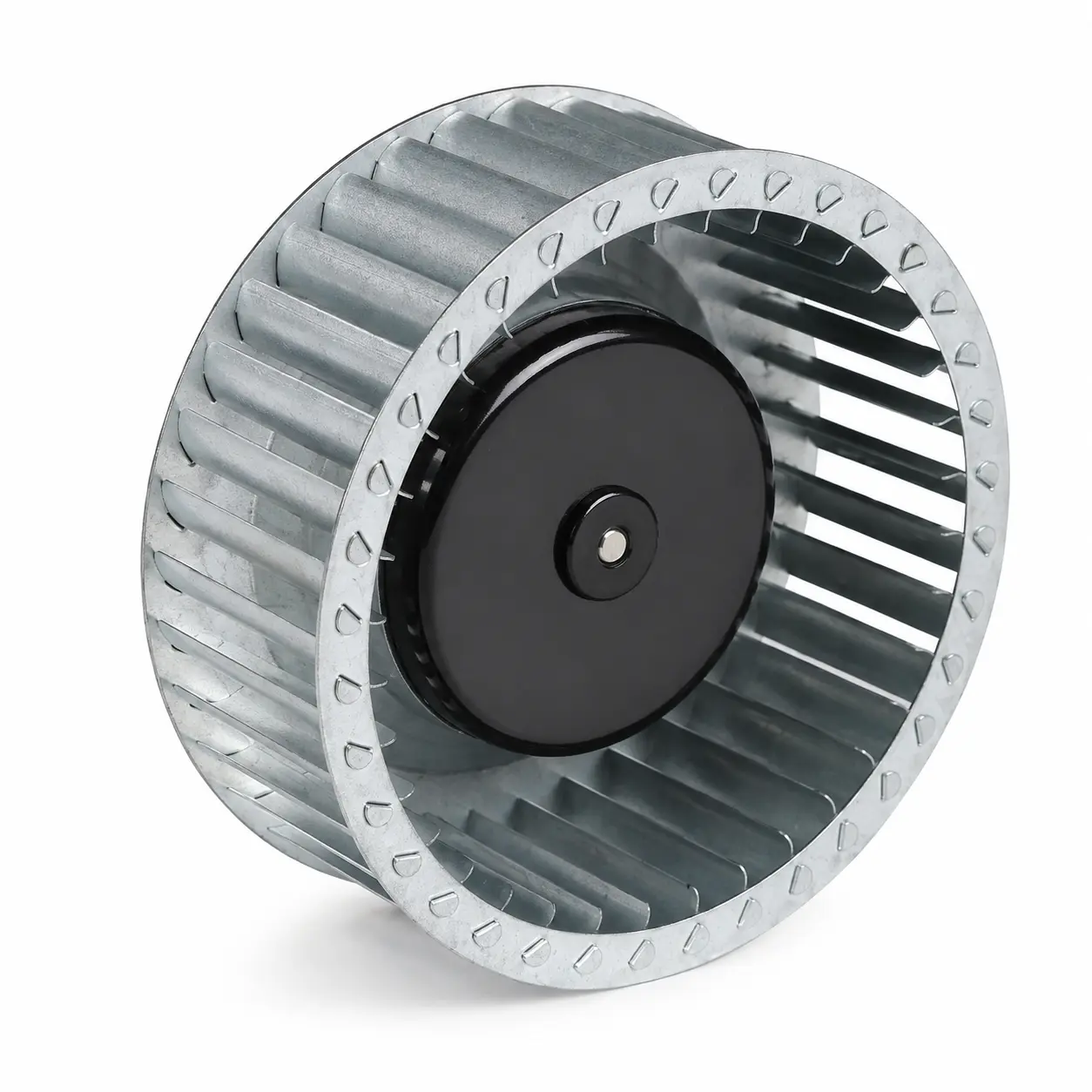
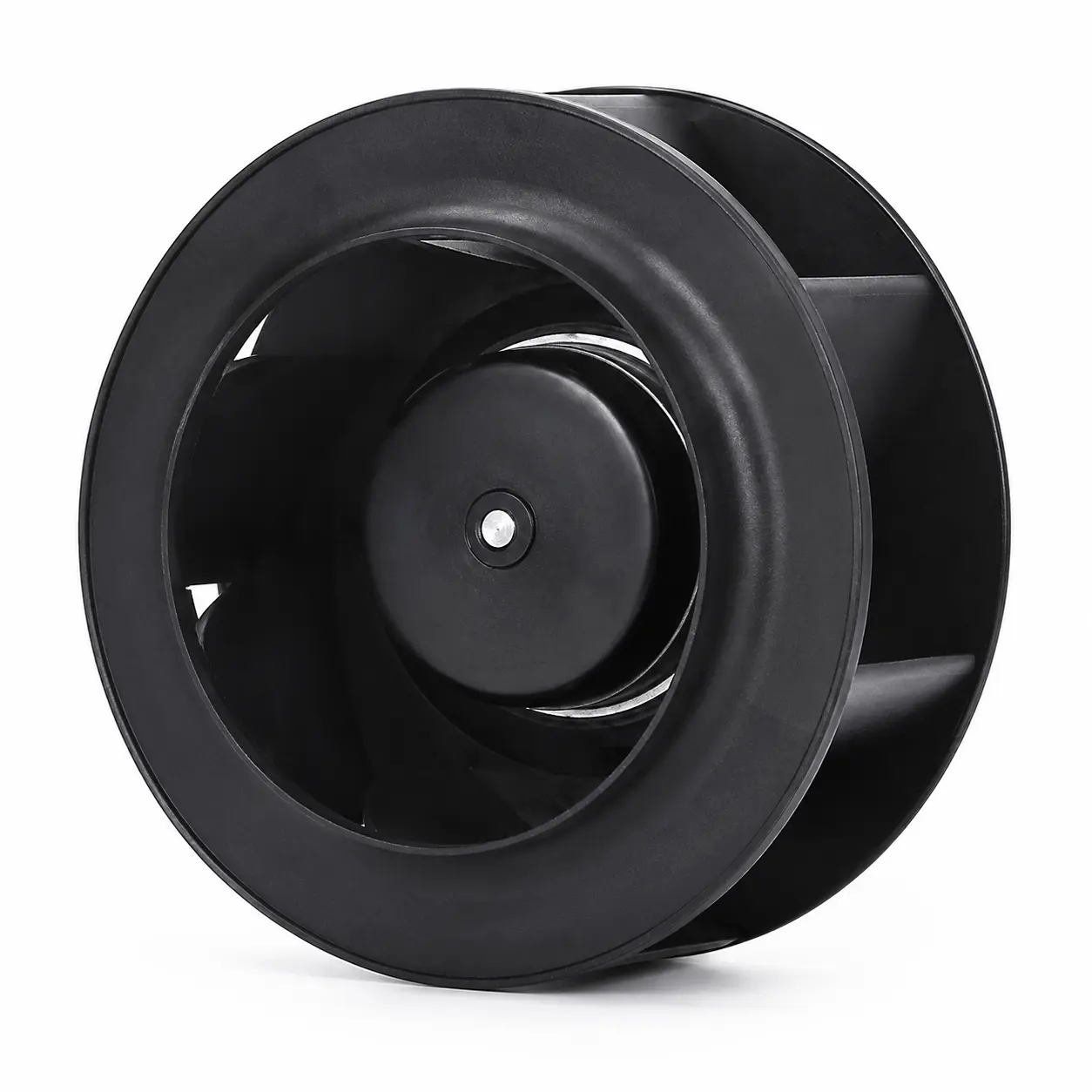
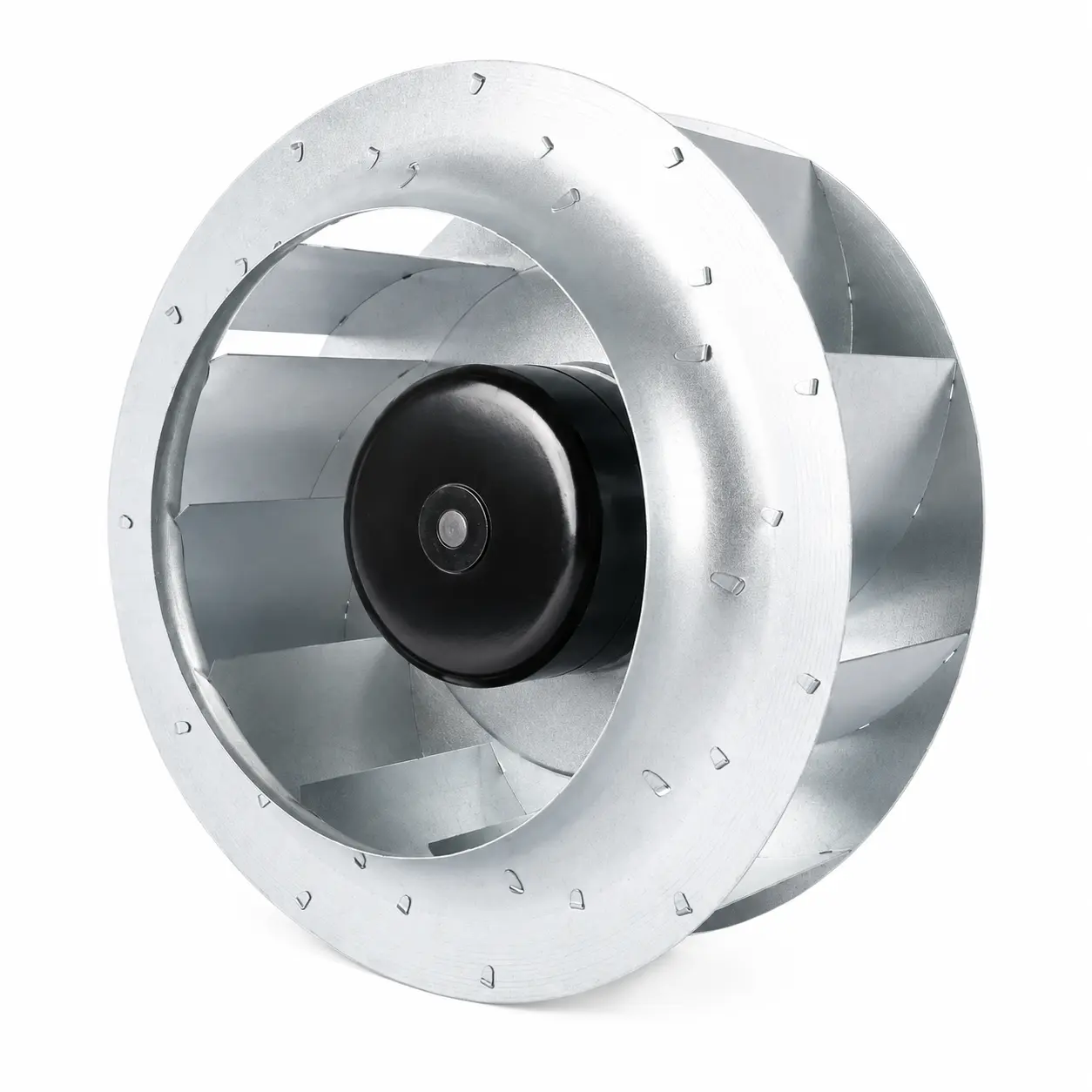
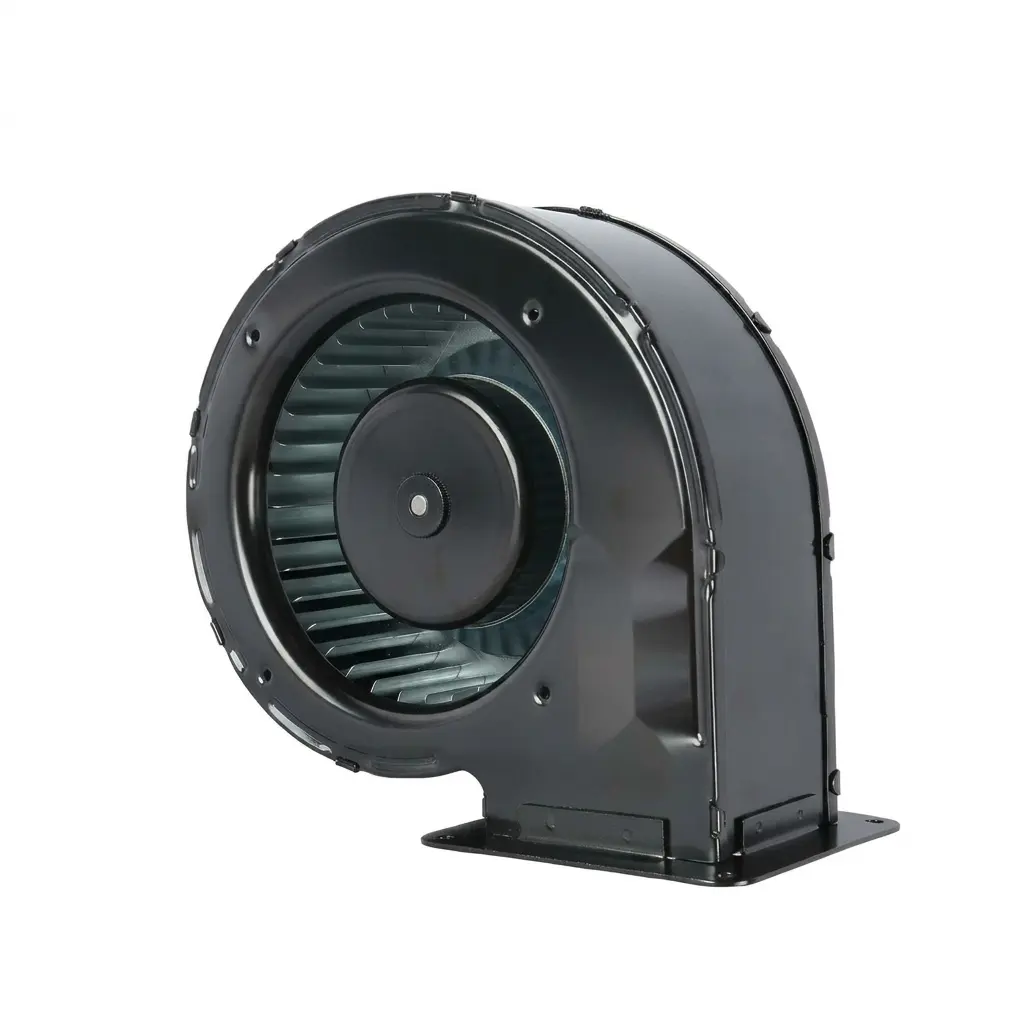
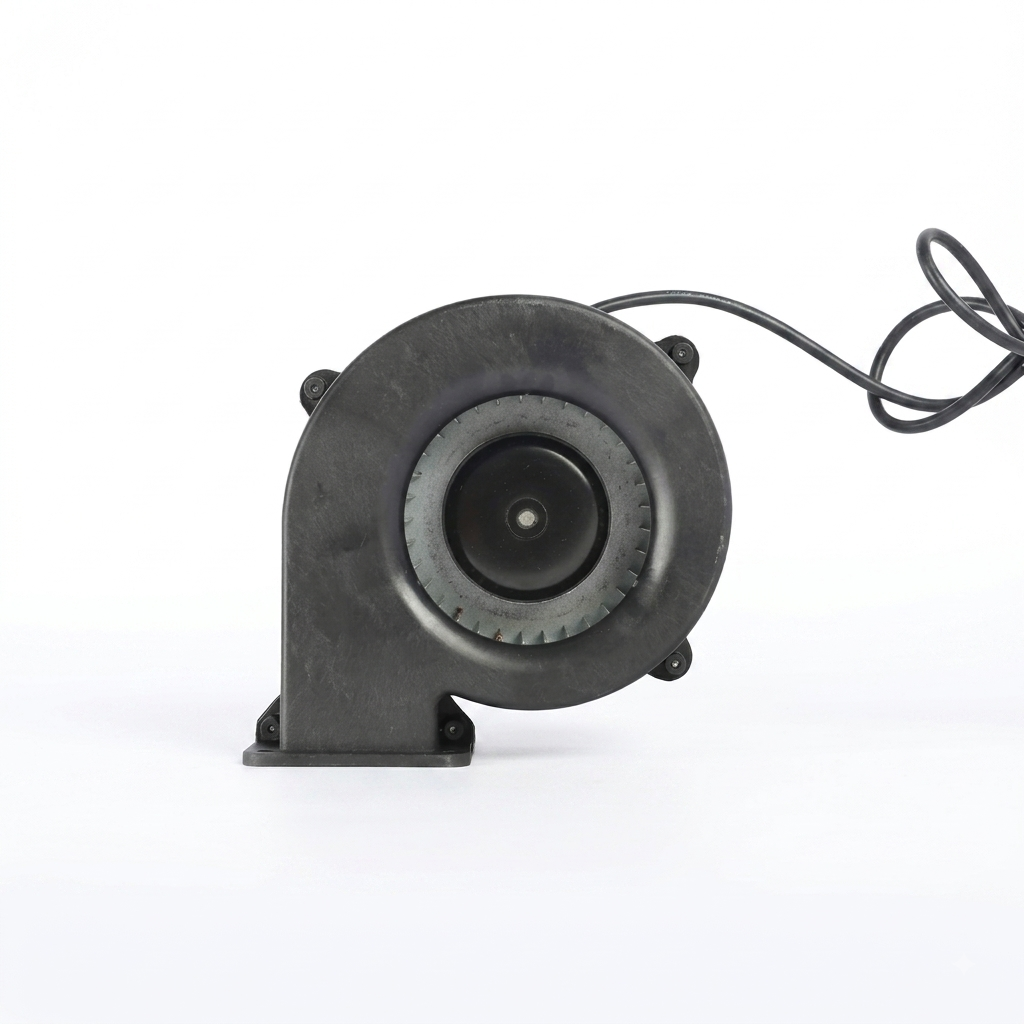
At a basic level, the blower’s job is straightforward: pull air through an inlet and push it through a discharge path. The product category here is an industrial centrifugal blower or squirrel-cage fan assembly, with a compact volute-style housing, a circular front inlet, and a side discharge path implied by the scroll shape. That shape is important. Centrifugal designs are often chosen when ducted airflow or pressure delivery matters more than simply moving a large volume of free air.
In practical terms, that makes the blower useful in equipment where air must be directed rather than merely circulated. Air handling units, ventilation modules, machine cabinets, and filtration systems all benefit from an enclosed housing that can guide air cleanly through a defined path. The compact footprint and fixed-mount base also suggest a unit intended for integration into a machine frame, not just loose installation in an open space.
Quick reference: what to look for before you source
If you are comparing suppliers, the first filter is not price. It is fit.
A sensible buyer review usually starts with these questions:
- Does the blower match the system’s airflow path and mounting space?
- Is the housing style appropriate for ducted or enclosed use?
- Can the supplier support a standard model or a custom EC blower solution if the layout is unusual?
- Are the compliance marks and quality systems aligned with the target market?
- Is the supplier set up for repeat production, not just sample delivery?
In the supplied company context, the stated annual production capacity is 200,000 fans, and the listed certifications include CCC, CE, LVD, RoHS, REACH, cUL, and ISO 9001. Those details do not tell you everything, but they do help frame the supplier’s manufacturing posture. Capacity matters when you need continuity; documentation matters when the blower is going into equipment that will be sold across multiple markets.
Why the housing and assembly details matter
A blower is often judged by performance numbers, but the physical structure can make or break the integration. The visible unit described here has several features worth noting: a round front inlet, a centrally mounted impeller visible through the inlet, a scroll-like casing, and a flat mounting base with bolt holes. Those are the kinds of details design engineers care about because they affect installation, vibration control, service access, and airflow routing.
The dark coated finish suggests a durable external surface, though the exact housing material cannot be confirmed from the image alone. That is a good reminder for buyers: do not assume material, motor type, or electrical configuration from appearance. Ask for the drawing pack, bill of materials, and electrical specification before making a commitment. A compact housing may look interchangeable with another unit, but if the internal impeller geometry or motor arrangement differs, the performance curve may not suit the application at all.
Standard product or custom EC blower solution?
This is where many sourcing projects get stuck. Standard catalog units are faster to evaluate, but they may force design compromises. Customization, on the other hand, can solve fit issues, yet it adds coordination time and introduces more points of review.
A standard blower is often the better choice when the application is stable, the enclosure dimensions are fixed, and the airflow requirement is already well understood. In that case, the main job is to confirm that the supplier can repeat the build consistently.
A custom EC blower solution makes more sense when the equipment has unusual constraints: a shallow cabinet, a fixed duct connection, a special mounting pattern, or a need to blend noise, pressure, and space limits more carefully. The advantage is alignment with the machine. The downside is that the buyer has to manage the specification more carefully, and any missing detail can slow the project down.
The practical warning here is simple: custom does not automatically mean better. Sometimes a custom request only masks an unclear system requirement. A good supplier should help clarify the airflow target, installation envelope, and electrical interface before changing the design.
Materials, manufacturing, and what can be inferred cautiously
The product information points to an assembled electromechanical ventilation component. Based on the visible construction, it may be made from injection-molded plastic parts, sheet metal, or a mix of both, but that cannot be confirmed from the image alone. That uncertainty is not a weakness in the description; it is exactly the sort of uncertainty buyers should keep in mind.
For procurement, the manufacturing method matters because it affects repeatability, surface finish, and how the unit behaves under heat, vibration, and long service cycles. A molded housing may support efficient volume production and consistent geometry. A sheet-metal housing may offer different stiffness or thermal behavior. Either way, the buyer should ask how the assembly is produced, how the impeller is balanced, and what quality checks are used before shipment.
If the blower is entering HVAC or enclosure cooling service, the questions broaden a little. You want to know whether the unit is intended for continuous duty, whether the motor is optimized for the application, and whether the supplier can provide the necessary documentation for the destination market. Those details are often more important than marketing language.
How to evaluate an EC blower supplier
A reliable EC blower supplier should be able to answer both design and production questions without hesitation. That includes the obvious items: dimensions, mounting pattern, electrical options, and application fit. But it also includes less glamorous issues such as packaging, repeatability, spare-part support, and how revisions are controlled.
Buyers should pay attention to three signals.
First, the supplier should speak in application terms, not just product terms. If the conversation stays at “this is a fan” and never moves toward airflow path, ducting, enclosure heat load, or installation method, the supplier may not be thinking deeply enough about integration.
Second, the supplier should be clear about what is fixed and what can be adapted. A good partner knows which parts of the blower architecture are stable and which can be customized without creating reliability problems.
Third, documentation should match the claims. Listed certifications and quality systems are useful only when the supporting paperwork is available and current. For industrial buyers, that is not bureaucracy. It is risk control.
Common buying mistakes
One common mistake is selecting a blower by size alone. Compact does not mean suitable. A smaller unit may fit the cabinet but fail when the system adds resistance. Another mistake is assuming a centrifugal blower will behave like a general-purpose circulation fan. The airflow profile is different, and that difference matters once ducts, filters, or restrictive housings are introduced.
A second mistake is under-specifying the installation. If the supplier does not know the mounting orientation, enclosure limits, or interface with adjacent components, the delivered part may require last-minute changes. Those changes cost more than getting the drawing review right in the first place.
A third mistake is overlooking serviceability. If the blower is buried inside a machine, maintenance access becomes part of the design. A seemingly minor decision about base holes or housing orientation can save real time on the production floor later.
What buyers should request before placing an order
Before moving from sample to production, ask for the documents that reduce ambiguity:
- dimensional drawing and mounting layout
- electrical specification, including supply type if applicable
- airflow and pressure data for the intended operating point
- material and finish confirmation
- quality and compliance documentation
- revision control process for future changes
That list may sound basic, but in this product category, basic discipline prevents expensive surprises. A blower is often only one part of a larger airflow system, yet it can determine whether the whole assembly meets thermal targets.
FAQ for sourcing teams and engineers
Is this blower only for HVAC?
No. The described application range includes HVAC equipment, air handling units, industrial ventilation, equipment cooling, air filtration and purification systems, food-processing machinery, and medical or enclosure ventilation.
Can I tell from the image whether it is AC, EC, or DC?
No. The exact electrical type is not provided and should not be assumed from appearance alone.
Does the supplier support volume production?
The company information supplied states an annual production capacity of 200,000 fans, which suggests a manufacturing setup aimed at repeat supply.
Are the certifications enough on their own?
They are helpful, but not enough by themselves. Certifications and compliance marks should be paired with the correct technical fit and current documentation.
Next step for buyers
If you are shortlisting an EC blower manufacturer, start with application fit, not catalog polish. Confirm the airflow path, mounting space, electrical interface, and required documentation first. Then decide whether a standard blower will do the job or whether a custom EC blower solution is justified. That sequence saves time, and more importantly, it keeps the project grounded in the realities of the machine rather than the assumptions of the sales sheet.
For sourcing teams, the best next move is usually a drawing review and a request for operating data tied to the actual system conditions. That is where the useful conversation begins.