What buyers are really looking for when they search for a DC blower manufacturer
When engineers and sourcing teams start comparing a DC blower manufacturer, they are usually not just buying a fan. They are trying to solve an airflow problem inside a limited envelope: cooling electronics, moving air through a cabinet, exhausting heat or odor, or keeping a compact machine stable under load. That changes the buying criteria. Noise, size, mounting, serviceability, and long-term consistency matter as much as the basic promise of air movement.
The challenge is that many blower products look similar at a glance. A compact centrifugal blower may have the same snail-shaped housing, a central inlet, and a side outlet path, but the real difference is in what happens after installation. Does the unit fit the enclosure? Does it hold performance under back pressure? Can the supplier support repeat orders without changing the build? Those are the decisions this article is meant to help with.
Why compact centrifugal blowers are used so often
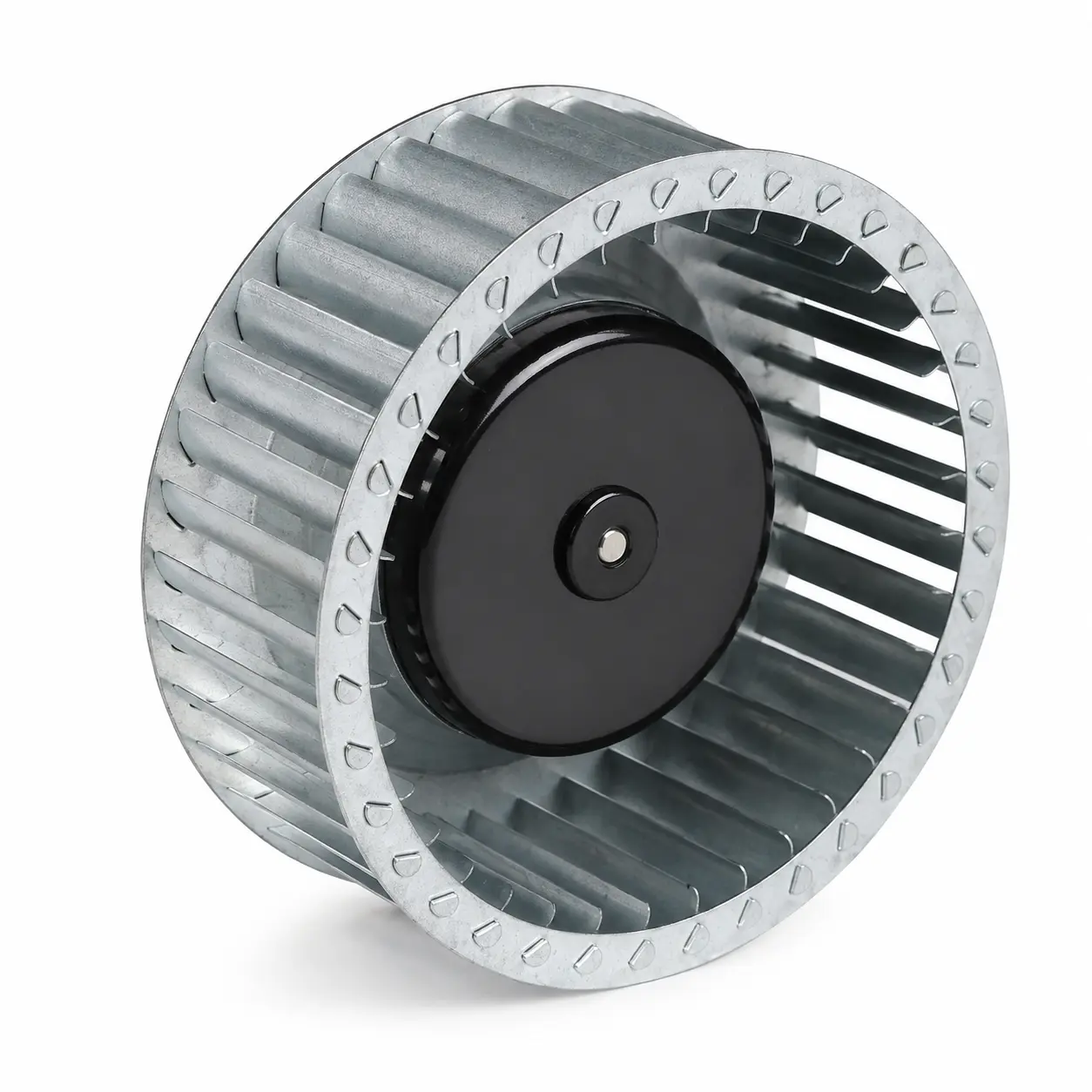
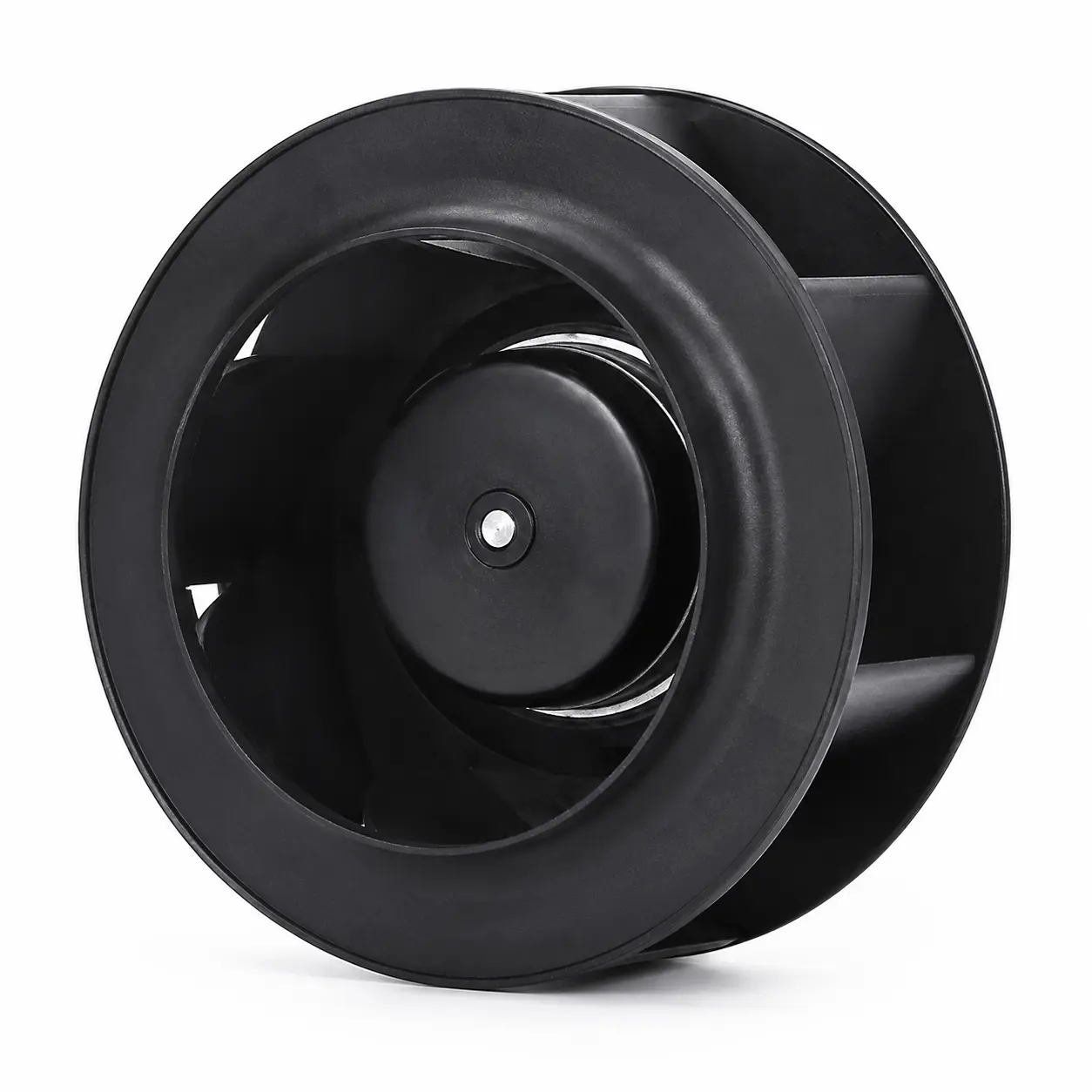
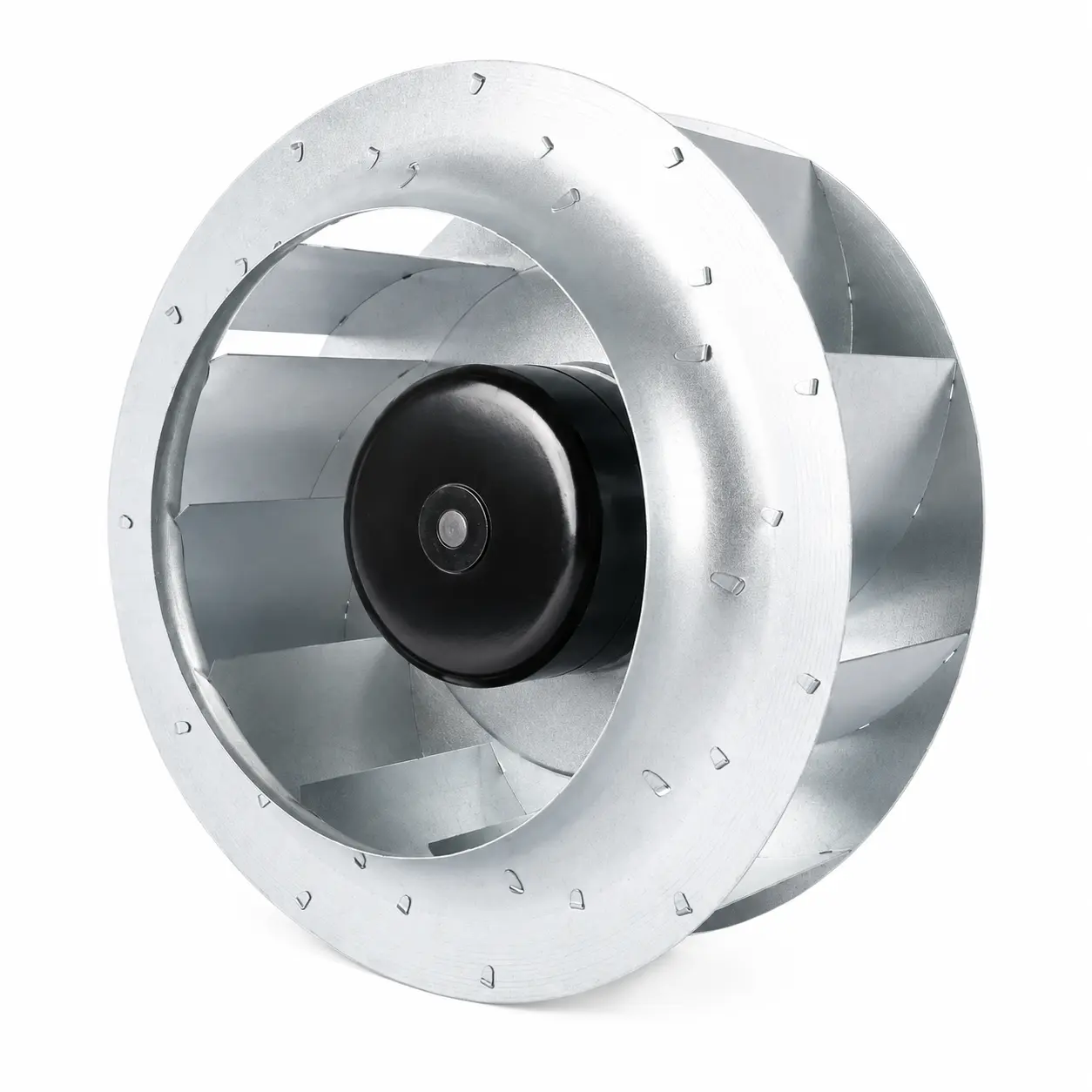
The blower style described here is a compact centrifugal, or squirrel-cage style, ventilation fan. Air is drawn in through the center and discharged through the curved scroll housing. That geometry is not glamorous, but it is practical. Compared with a simple axial fan, a centrifugal blower is often better suited to ducted air paths and applications where the system presents resistance to airflow.
That is why these units show up in HVAC equipment, machinery cooling, ventilation systems, air purifiers, food-processing equipment, medical devices, and other enclosure or cabinet airflow needs. In many of those products, the fan is not a background component. If it underperforms, the whole machine suffers. If it is oversized, the design may become too noisy, too bulky, or too power-hungry. So the blower selection is a design decision, not a catalog afterthought.
What the visible product details suggest
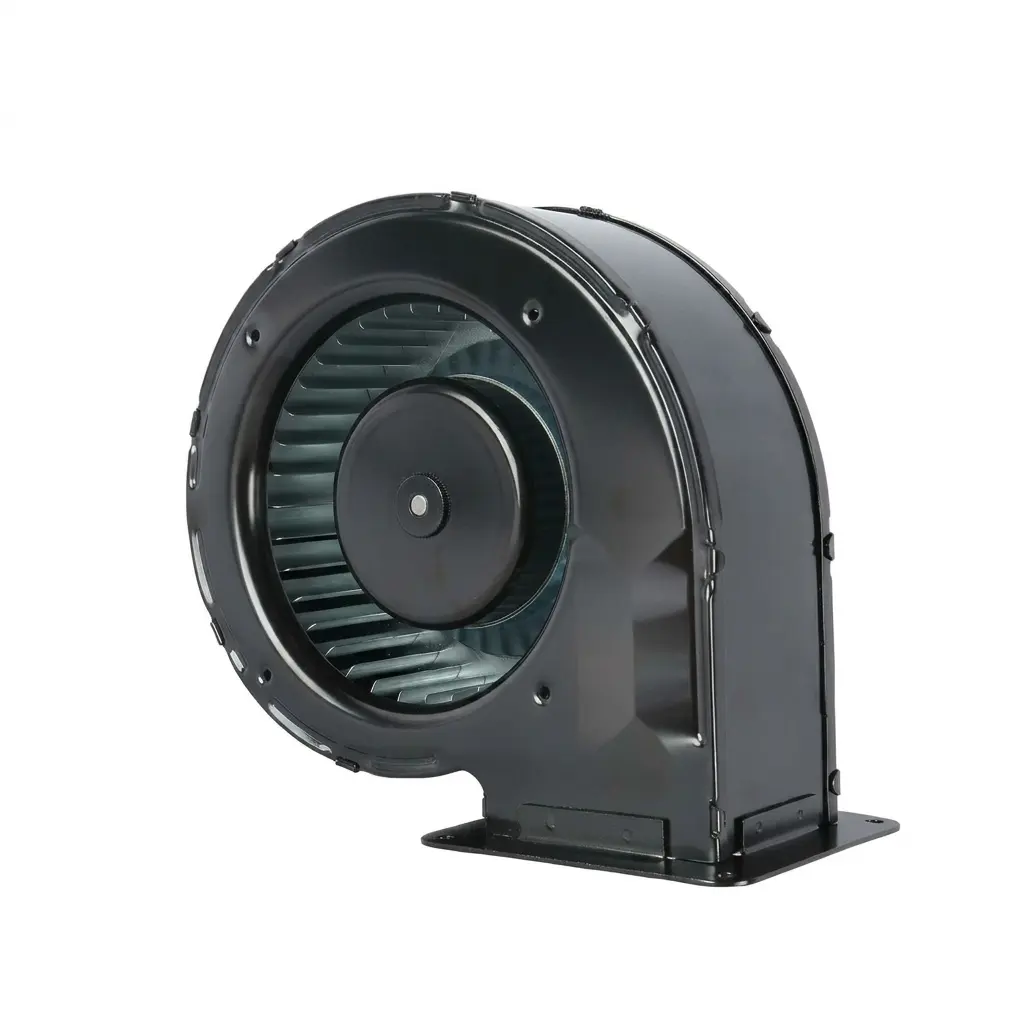
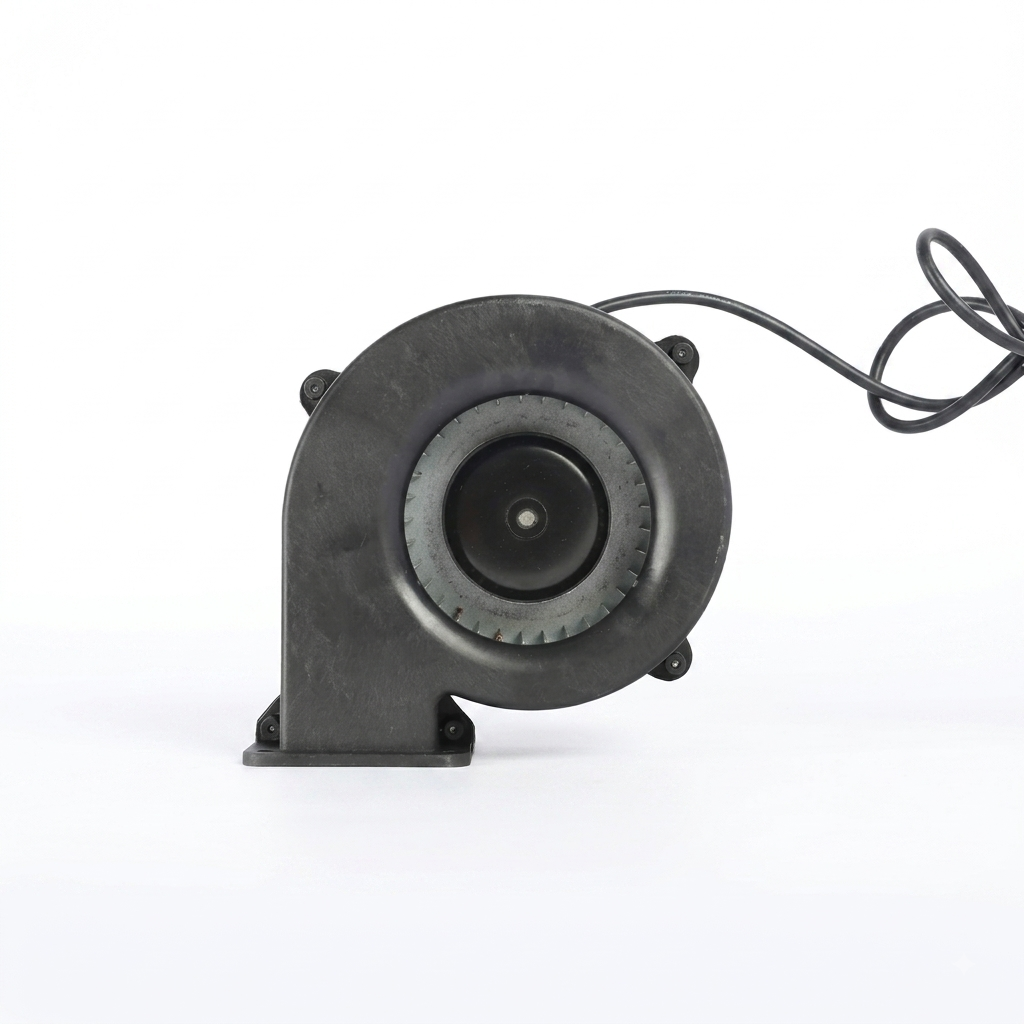
Based on the available product notes, this blower has a dark black or dark gray housing and a visible internal impeller or rotor in a contrasting gray or metallic finish. The body appears to be a single compact assembly with mounting feet or brackets at the base and side, plus an attached power lead. That is a familiar industrial layout: straightforward to mount, easy to route into a system, and usually intended for integration into a larger assembly rather than standalone use.
The housing seems to be a molded plastic shell or a coated metal housing, but the exact material is not confirmable from the available information. That matters because material choice affects temperature tolerance, weight, corrosion resistance, and cost. A buyer should not assume the housing construction from appearance alone. In procurement, “looks robust” is not a specification.
For design teams, the visible geometry tells you something else too: this is a product built around enclosure airflow and forced ventilation, not open-air circulation. The outlet path implied by the volute shape suggests it is meant to work with a defined air route, not simply blow freely into space.
Quick reference: what to compare between suppliers
If you are shortlisting a DC blower supplier, the useful comparison usually comes down to a small set of questions.
First, confirm whether the blower architecture matches your application: compact centrifugal, squirrel-cage style, or another variant. Second, ask whether the housing, impeller, motor assembly, and lead configuration can be supplied consistently across repeat orders. Third, check the supplier’s manufacturing capacity and quality system, because those determine whether the part can move from sample to production without surprises.
From the provided company notes, the manufacturer was founded in 2001 and states an annual fan production capacity of 200,000 units. It also lists CCC, CE, LVD, RoHS, REACH, cUL, and ISO 9001 among its compliance or certification references. Those details do not replace a technical review, but they do give buyers a basic framework for supplier screening. A team working on volume programs will usually care more about repeatability and documentation than about a polished sales pitch.
Why the supplier role matters in blower programs
Many projects start by evaluating the fan itself, but the supplier relationship is what determines whether the product is practical over time. An OEM DC blower supplier should be able to support integration questions: mounting pattern, connector or lead arrangement, packaging for assembly, and the kind of documentation a production team will need. If the blower is part of a larger OEM system, the supplier should be able to speak in terms of manufacturing consistency, not just sample performance.
That distinction matters because blower programs often get approved on one prototype, then fail during scale-up. The mounting points change slightly. The cable exits interfere with another component. The final assembly team finds the unit awkward to install. None of that is unusual, and none of it shows up in a product photo. It is why sourcing teams should ask for drawings, dimensional data, and build details early rather than waiting until late-stage validation.
Selection criteria that actually influence performance
1. Air path and system resistance
A blower that performs well on paper may not do the job once installed into a duct, cabinet, or filter-heavy enclosure. The key question is how the unit behaves under resistance. That is especially important in HVAC modules, filtration equipment, and machine enclosures where airflow is constrained.
2. Mounting and integration
The visible base platform and side mounting features are useful, but only if they fit the actual machine. Check hole patterns, space around the housing, cable exit direction, and the room needed for service access. A compact unit can still be awkward if the outlet points into a wall or the connector sits where tools cannot reach it.
3. Manufacturing consistency
For buyers, a blower is a recurring part, not a one-off purchase. Once it enters production, even a small change in casing, impeller, or wiring arrangement can create assembly issues. That is why the supplier’s process control matters. The stated ISO 9001 reference is relevant here, but it should be treated as a starting point, not the whole answer.
4. Compliance fit
Different markets bring different documentation needs. The listed references to CCC, CE, LVD, RoHS, REACH, and cUL suggest the manufacturer is familiar with common export and product compliance expectations. Still, buyers should verify which documents apply to their specific project and region. Don’t assume a general compliance list covers your exact use case.
Common mistakes buyers make with blower sourcing
One common mistake is buying by size alone. A compact housing is useful, but it does not tell you how the blower will behave in a real system. Another mistake is treating all centrifugal blowers as interchangeable. They are not. Small differences in outlet geometry, motor package, or mounting can affect installation and airflow behavior.
Another issue is underestimating the role of lead time and production stability. The supplier may be capable, but if the program needs repeated replenishment, the buyer should care about whether the manufacturer has an established production base rather than a sample-oriented setup. The stated annual capacity of 200,000 units is a useful signal here, though capacity alone does not guarantee a smooth supply chain.
There is also a habit among some purchasing teams of asking only for a quotation. That is usually not enough. For a blower used in equipment or ducted ventilation, ask for the technical drawing, mounting details, material description if available, and any compliance documentation relevant to your market. It saves time later, and avoids the awkward moment when the prototype arrives with an outlet orientation that does not fit the enclosure.
Practical advice for engineers and sourcing managers
If you are comparing suppliers, start with the application rather than the part number. Is this blower for cooling, ventilation, exhaust, or a filtered air path? Is it going into a cabinet, a medical device, a purifier, or a machine enclosure? The answer determines what matters most.
Then decide whether you need a standard catalog style or an OEM supply arrangement. If the geometry, lead length, mounting, or housing finish needs to be adapted, that is usually an OEM conversation. A strong OEM DC blower supplier should be able to support those discussions without turning every small change into a new project.
Buyers should also ask whether the unit can be produced consistently over time. That matters more than many teams admit. The first sample is easy; keeping the part the same across production lots is the harder job. In a crowded cabinet or a cost-sensitive product, even a modest change in fan behavior can affect thermal margins and product quality.
FAQ: a few questions that come up often
Is this blower only for DC applications?
The search term suggests a DC product, but the visible notes do not confirm the exact motor type or voltage. Buyers should verify the electrical specification before making any assumption.
Can the same blower be used in HVAC, medical, and industrial equipment?
Possibly, but only if the electrical, mechanical, and compliance requirements match the target application. Shared geometry does not automatically mean shared approval or performance suitability.
What should I request from the supplier first?
Ask for dimensional information, mounting details, electrical specification, and documentation tied to your market. If the product is for OEM use, also ask how the supplier handles repeat production and change control.
A sensible next step for buyers
If you are in the early stages of sourcing, use the supplier conversation to narrow the field quickly. A credible DC blower manufacturer should be able to explain the product structure, state where it fits best, and provide the production and compliance background needed for a real purchasing decision.
For this compact centrifugal blower type, the useful questions are not exotic. Can it be mounted cleanly? Can it move air through resistance? Can the manufacturer support the program beyond the sample stage? If the answer to those questions is yes, you are usually much closer to a workable sourcing decision than a glossy catalog page would suggest.