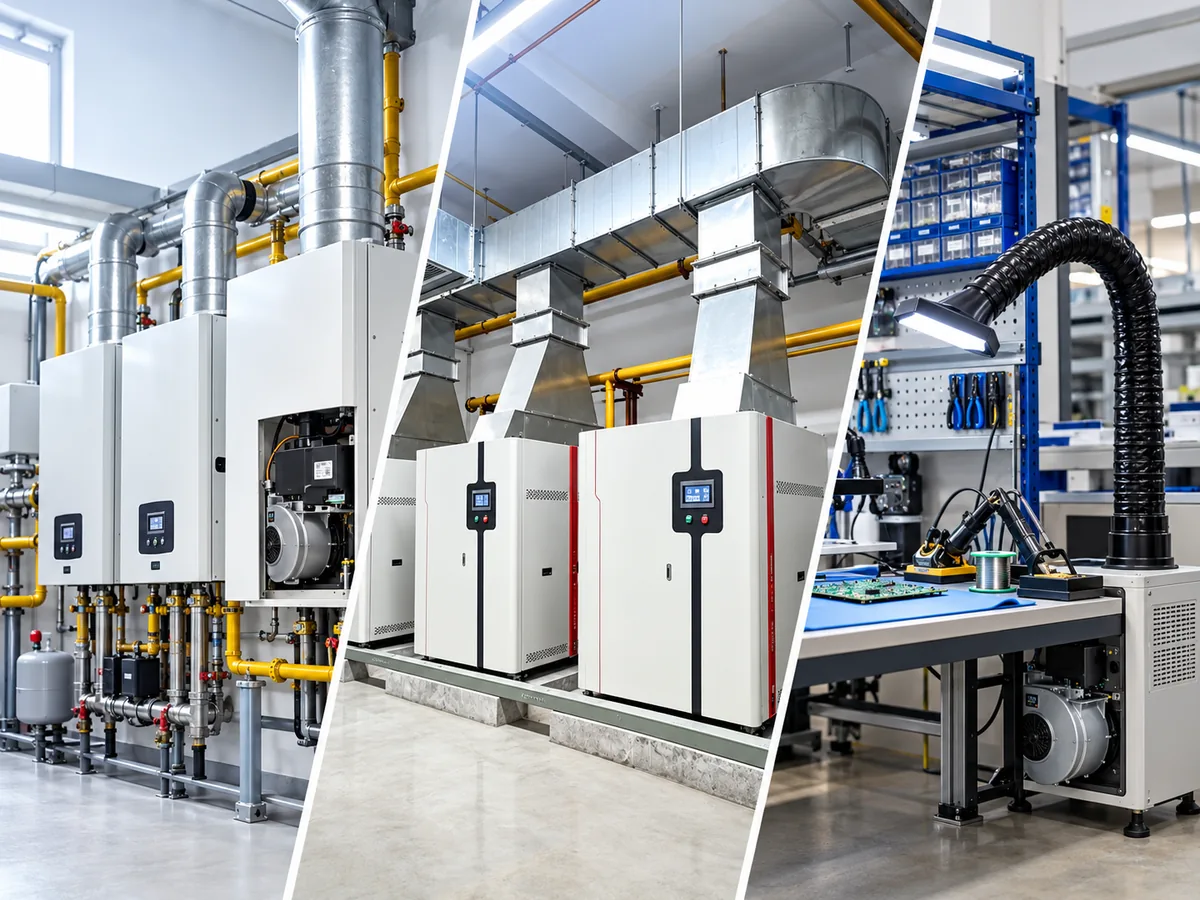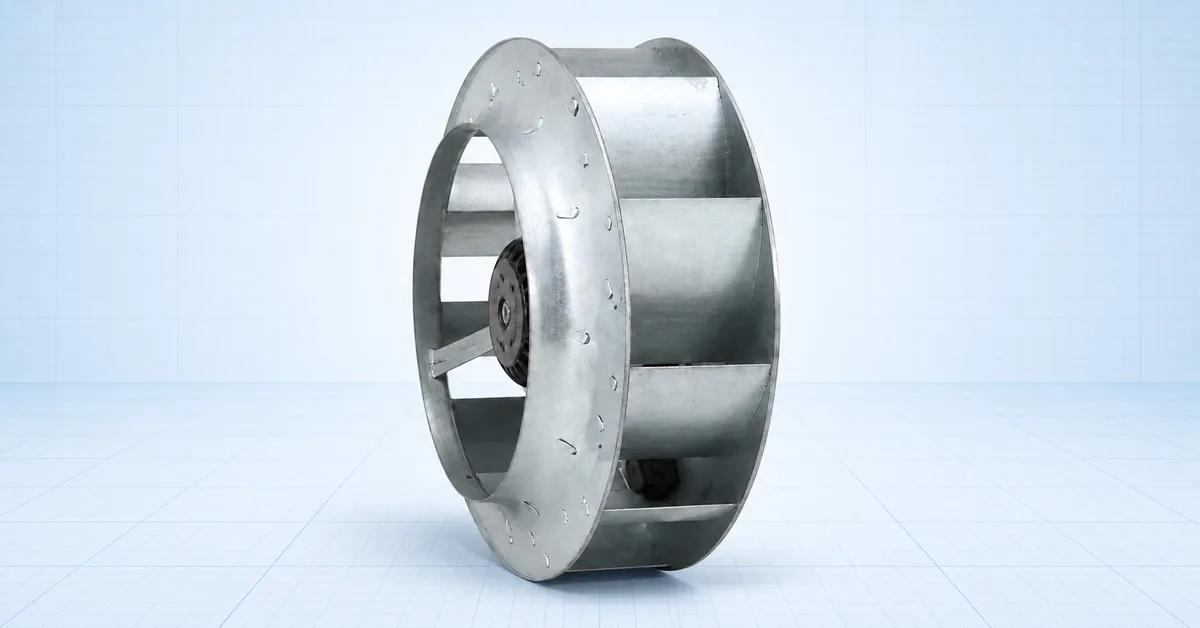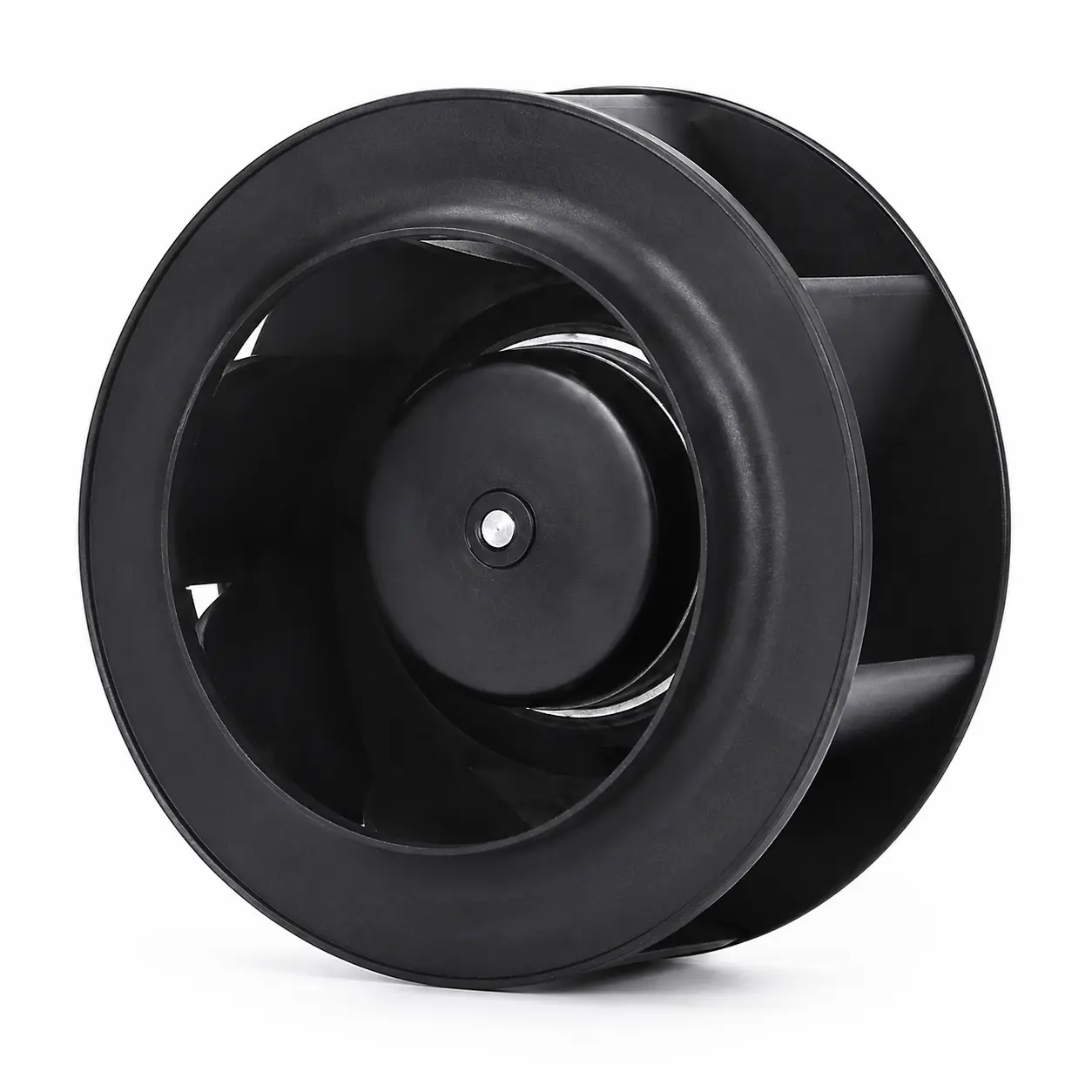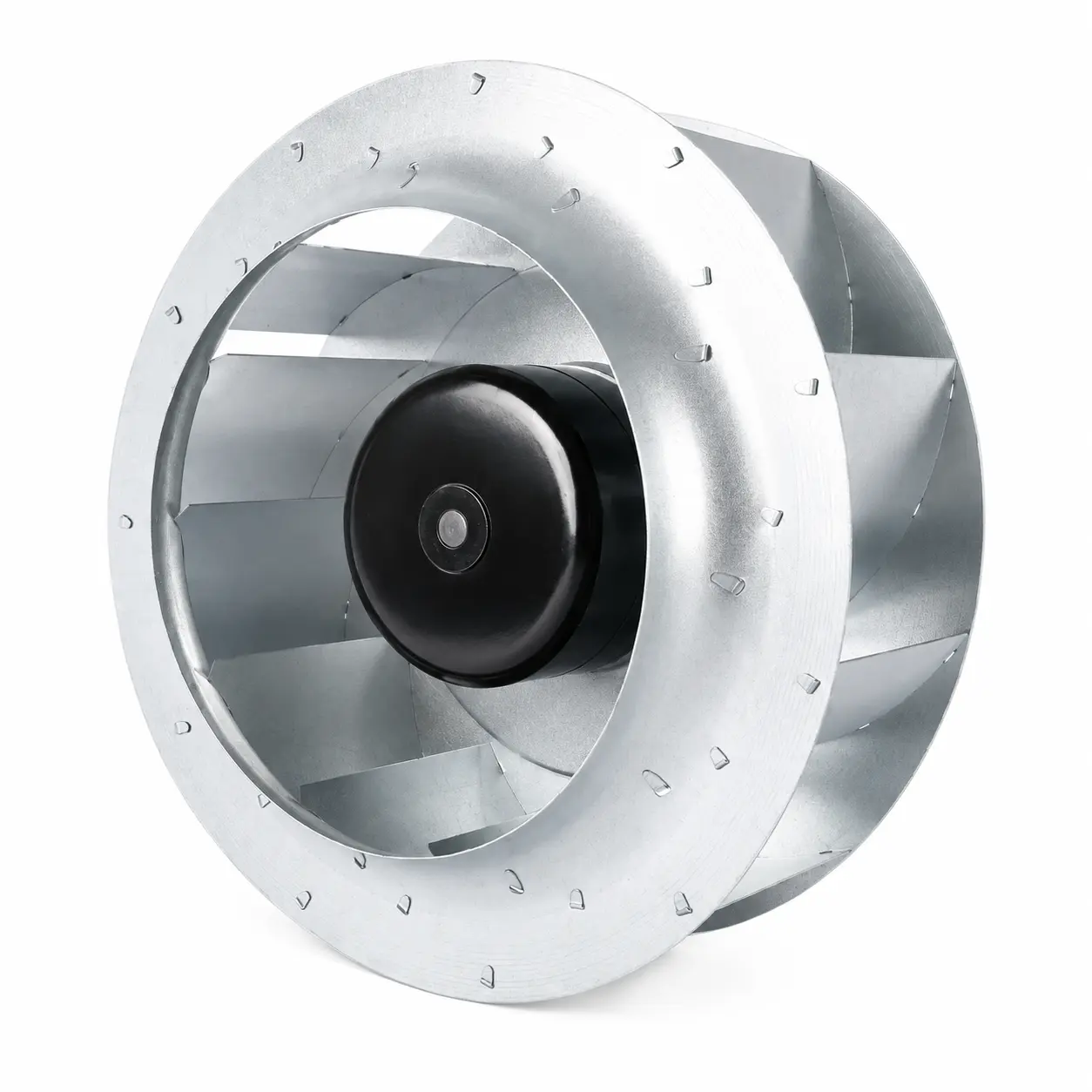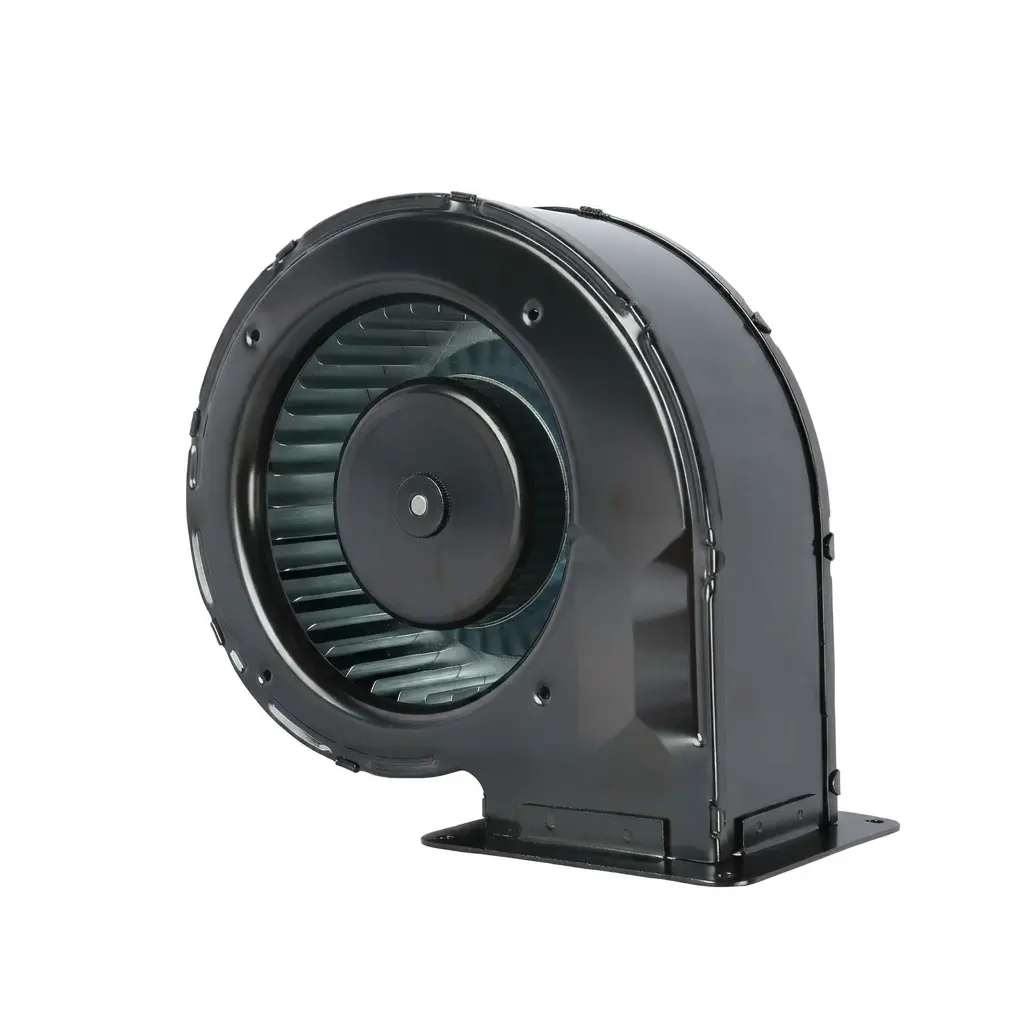
An EC centrifugal blower does more than move air. Its useful performance depends on where it is installed: a combustion appliance may need responsive air delivery across a modulation range, while an extractor needs dependable suction as a filter loads. The same headline airflow figure cannot describe both jobs.
This guide looks at six equipment applications and the operating conditions worth defining before an OEM team selects a blower. The examples span different blower families. A model intended for combustion air should not be assumed suitable for extraction or medical equipment without separate engineering review and qualification.
Start with the installed operating point
Maximum airflow is useful for screening, but it is usually measured under conditions different from those inside the finished machine. Filters, ducts, bends, premixers and burners add resistance. The relevant question is whether the blower delivers the required airflow at the system's actual static pressure, including minimum, rated and maximum load where applicable.
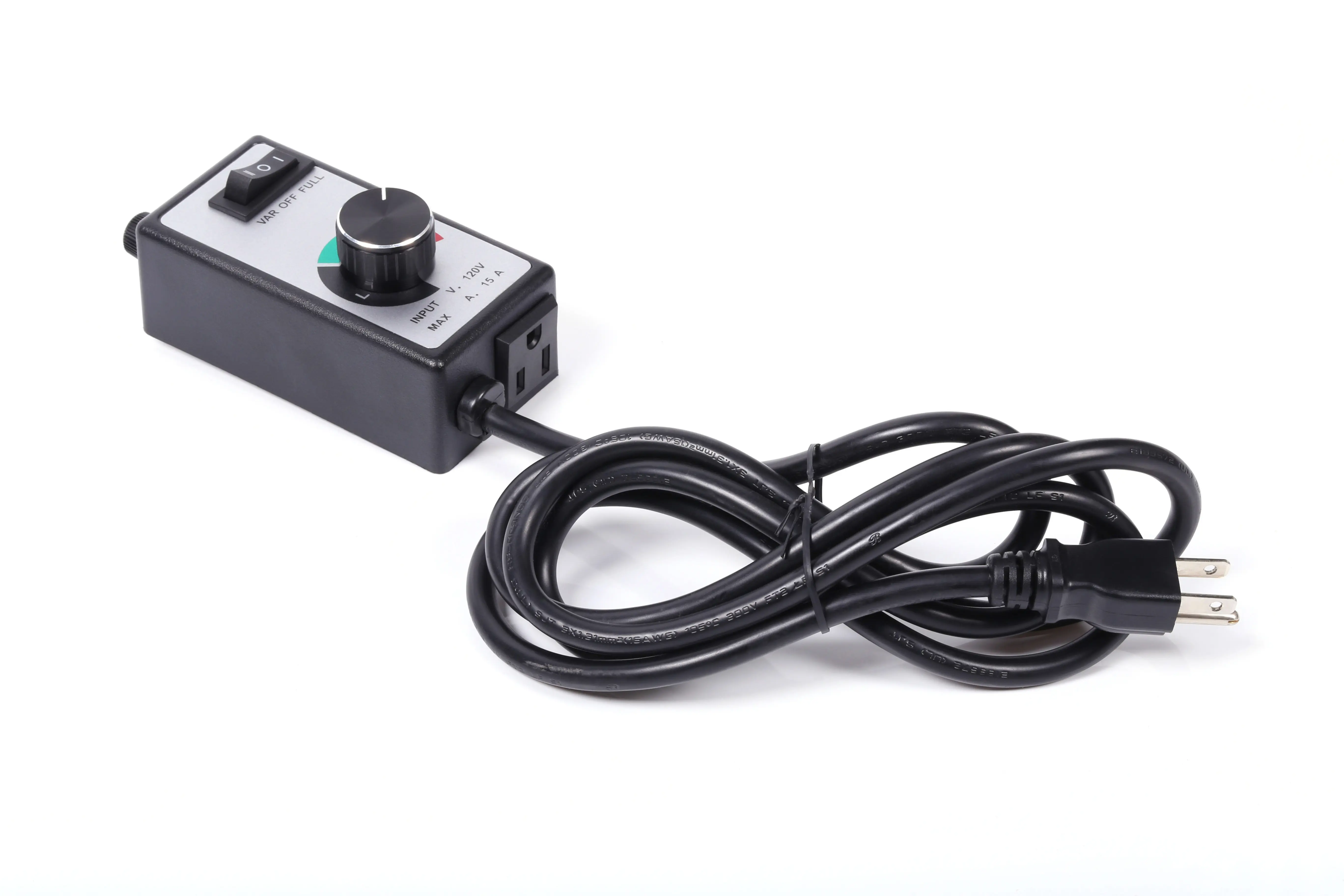
Speed control matters for changing loads. Depending on the model, an EC blower may accept PWM or another specified control signal. Check the exact electrical and control interface in the model's documentation rather than assuming all EC blowers use the same wiring or feedback method.
1. Boilers: airflow must follow changing heat demand
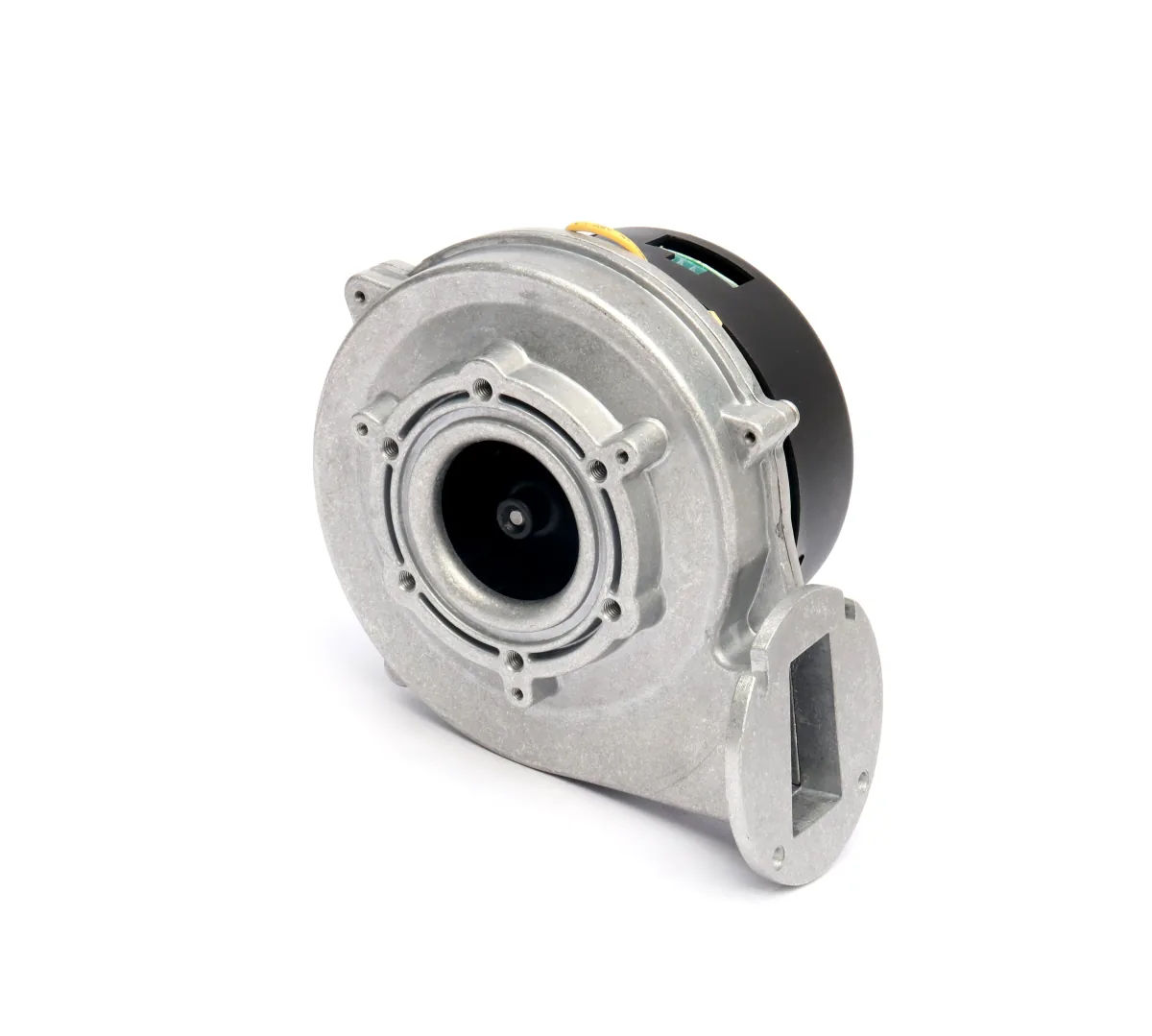
In a fully premixed boiler, the blower belongs to the combustion-air system. It helps establish the required air path before ignition and adjusts air delivery as the appliance changes load. The blower, premixer, gas valve, burner and controller work as a system; one component cannot be evaluated in isolation.
A nominally higher-airflow replacement is not necessarily an upgrade. Its pressure curve, startup behavior, control response and interfaces must match the appliance across the intended modulation range. Boiler OEMs should compare performance at low, rated and high load, including ignition and transition conditions, then confirm the result through complete-appliance testing.
See our residential heating and commercial boiler application pages for the wider system context.
2. Burners: coordinate air, gas and control response
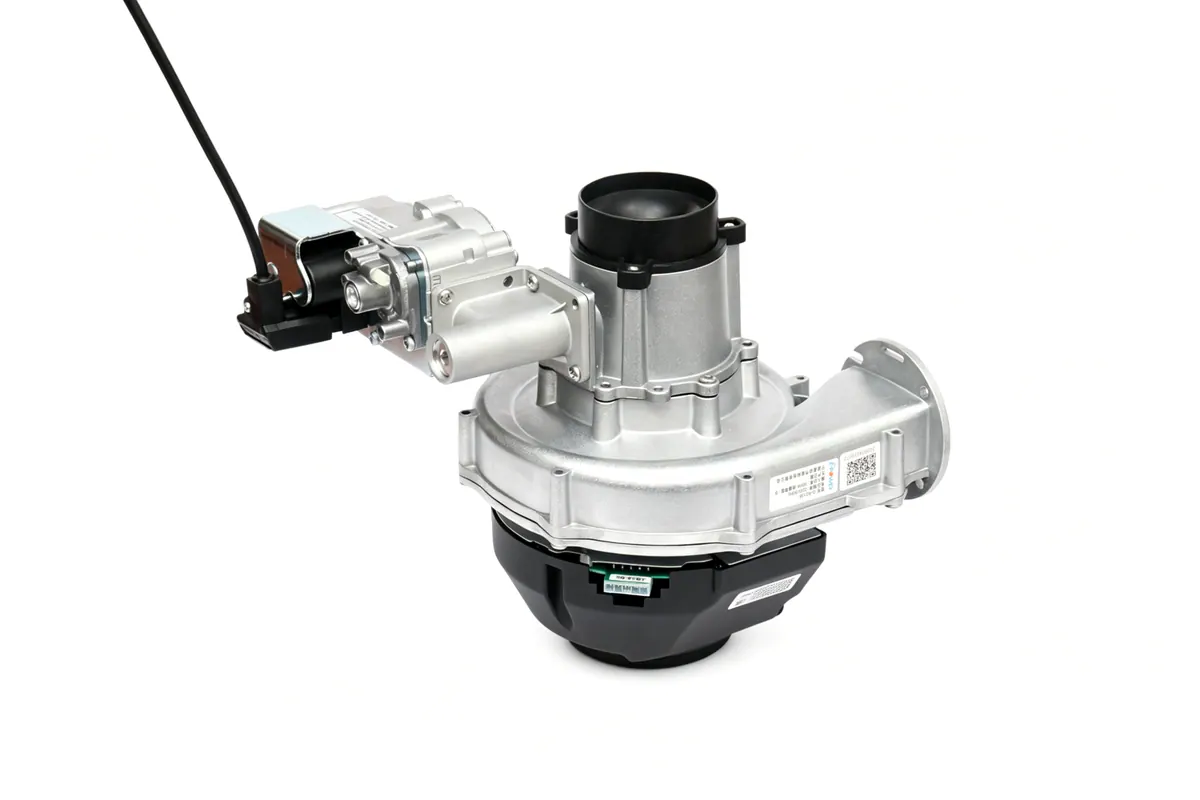
Fully premixed and surface-combustion burners depend on a coordinated air-gas path. The blower supplies controllable air; the premixer, gas valve and burner geometry determine how that air is combined with fuel and delivered to the flame zone. Changes in backpressure or load can alter the behavior of the complete assembly.
Evaluation should therefore cover modulation range, ignition response, pressure losses and operation at the burner's actual backpressure. A blower may support the required conditions, but emissions and combustion stability must be established by testing the complete appliance, not inferred from a blower data sheet.
3. Industrial heating and steam equipment: design for sustained operation
Industrial heating systems and steam generators may run continuously, cycle frequently or experience wide load changes. The key requirement is dependable airflow and pressure over the relevant duty cycle, not a short-lived peak value.
Define startup conditions, ambient and inlet temperatures, moisture and condensate exposure, duct losses and burner backpressure. Long-run testing should include motor and electronics temperature rise. Excess capacity can also create unwanted noise, energy use or low-load control difficulties, so margin should be justified against the real system.
4. Commercial cooking equipment: account for heat and maintenance
Gas-heated ovens, grills and other commercial cooking equipment often place combustion components in a tight space with frequent start-stop cycles. Mechanical fit matters, but so do inlet and outlet orientation, nearby heat, access for service and the risk of grease or dust entering the air path.
For these projects, specify the blower's actual role first: premixing, combustion-air supply or another function. Then check its operating point and control behavior in the installed layout. Ease of cleaning and maintenance can be as important to long-term performance as the initial specification.
5. Fume extraction: filter loading changes the duty point
Solder-fume and industrial extraction systems ask a blower to maintain negative pressure through a duct and filter. This is a different duty from supplying combustion air and may call for a different centrifugal blower family. Free-air flow alone does not show how the unit will perform once connected to the filtration system.
Measure or estimate the required suction at the capture point, the clean-filter resistance and the higher resistance expected as the filter loads. Evaluate airflow, noise, impeller cleanliness and maintenance intervals under those conditions. The final design should be validated at the workbench or equipment level, not only on a bare blower.
6. Patient warming: prioritize controlled, quiet airflow
In a forced-air warming device, the air-delivery system must be coordinated with temperature control and the appliance's air channels. Smooth low-load control, consistent distribution and noise may matter more than maximum flow. These are system-level requirements, not claims about a particular catalog model.
Any proposed blower for medical equipment requires application-specific qualification and review against the device's applicable safety and regulatory requirements. A general blower specification does not establish medical-device suitability.
Turn an application into a selection brief
Before comparing models, prepare the conditions that determine the real duty point:
- Equipment type and required airflow and static pressure at minimum, rated and maximum load.
- Resistance from ducts, filters, premixers, burners and other connected components.
- Power supply, rated voltage and the exact speed-control or feedback interface.
- Inlet, outlet, mounting, space, temperature, moisture and contaminant constraints.
- Current model, available performance curves and any issue the new design must solve.
Our gas blower range includes D-RG platforms for combustion-air projects, while the wider centrifugal blower range covers other air-moving configurations. They are separate product families, not interchangeable choices. Shortlist candidates from model-specific documentation, then validate the selected unit in the complete equipment.
For a preliminary recommendation, send your operating points, power and control requirements, installation drawing and existing model details through our inquiry form. Combustion-system adjustments should be carried out by appropriately qualified engineers; this guide does not replace appliance testing or commissioning procedures.