Gas Burner Systems
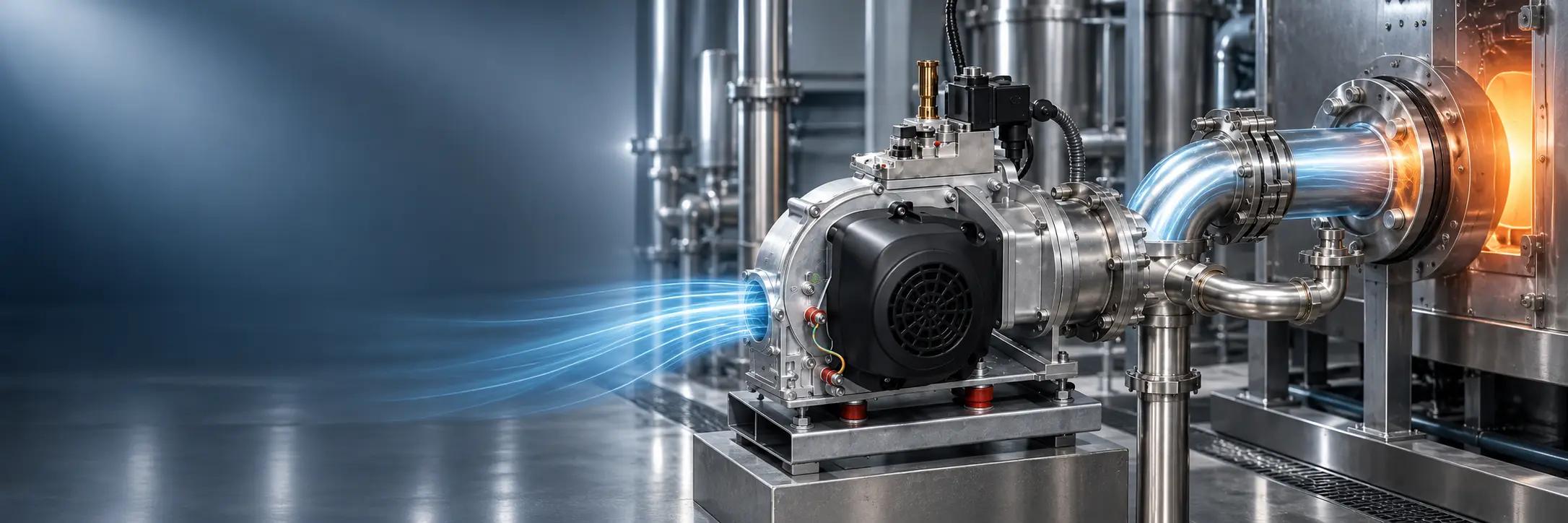
Precision airflow for premixed and surface burner systems. E-POWER blowers coordinate with gas valves and controls to support efficient combustion and lower NOx emissions.
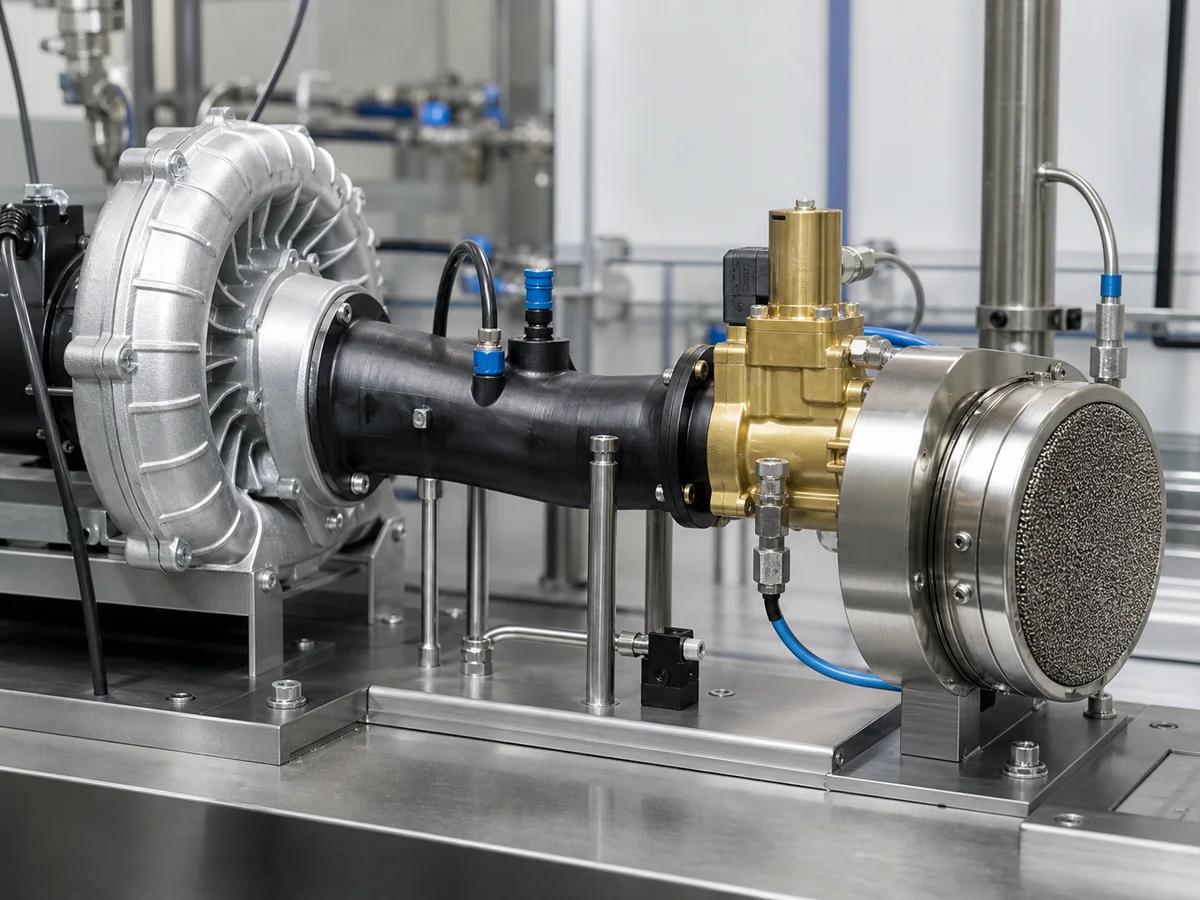
What the blower does
Airflow through the complete system
Works with the gas proportional valve and control system to maintain precise air-fuel ratio control.
- Fully premixed burner
- Metal-fiber burner
- Surface combustion burner
- Low-NOx combustion system
- 01
Combustion command
The controller requests heat output.
- 02
Blower and gas valve
Airflow and gas delivery respond together.
- 03
Venturi premixer
The mixture is prepared before the burner.
- 04
Burner surface
A stable mixture supports controlled combustion.
Recommended product range
Products for Gas burner systems
Treat the blower, gas valve, Venturi, burner surface and controller as one control loop. Prototype combustion testing defines the final combination.
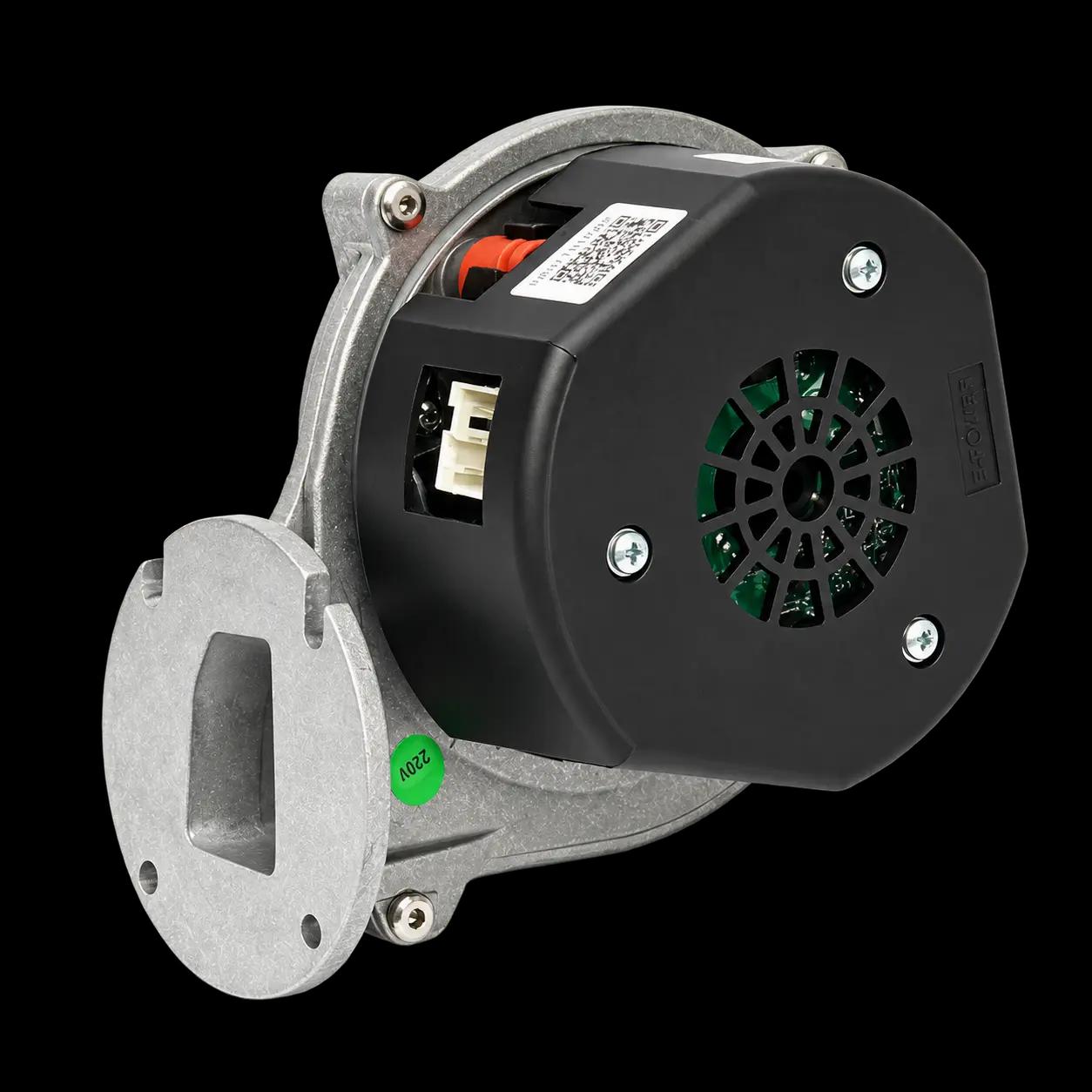
01 / 01
EC Gas Blowers
EC-Gasgebläse für Heizungs- und Verbrennungssysteme
Hocheffizientes EC-Gasgebläse für Heizungs- und Verbrennungsanlagen mit fortschrittlicher elektronischer Steuerung, stabiler Luftstromleistung, niedrigem Energieverbrauch und anpassbaren Lösungen für OEM-Anwendungen.
View product details
Bring us the equipment requirement
Send the target operating point and integration constraints. We will help evaluate a suitable blower direction and validation plan.
FAQ
Questions from equipment manufacturers
Can a blower be selected separately from the gas valve?+
Initial screening is possible, but final validation should treat the blower, valve, premixer, burner and controller as one combustion system.
What defines the minimum burner output?+
It depends on blower response, gas-valve control, premixer behavior, burner-surface stability and the controller's calibration.
What information is required to match a blower to a burner system?+
Provide burner heat range, required airflow and pressure, gas type and supply pressure, premixer and heat-exchanger resistance, voltage, control signals, envelope and emissions targets.
How should the blower and proportional gas valve be coordinated?+
Their dynamic response, command range, feedback and start-up sequence should be calibrated together so the gas-air ratio remains within the burner's stable operating window.
Can the same blower be used with different burner surfaces?+
Possibly, but each burner surface and premixer creates a different pressure curve and stability range. Separate combustion validation and controller calibration are required.
How is low-NOx performance related to blower control?+
Stable, repeatable airflow helps maintain the intended excess-air ratio, but emissions also depend on gas quality, mixing, burner geometry, heat-exchanger conditions and control calibration.
What should be validated during ignition and shutdown?+
Check purge airflow, ignition speed, gas-valve timing, flame establishment, transition to modulation, flame loss response and post-purge behavior across the specified operating conditions.
Can E-POWER support prototype combustion testing?+
E-POWER can support blower matching and prototype integration, while final combustion, emissions and safety approval must be completed on the customer's full burner appliance.