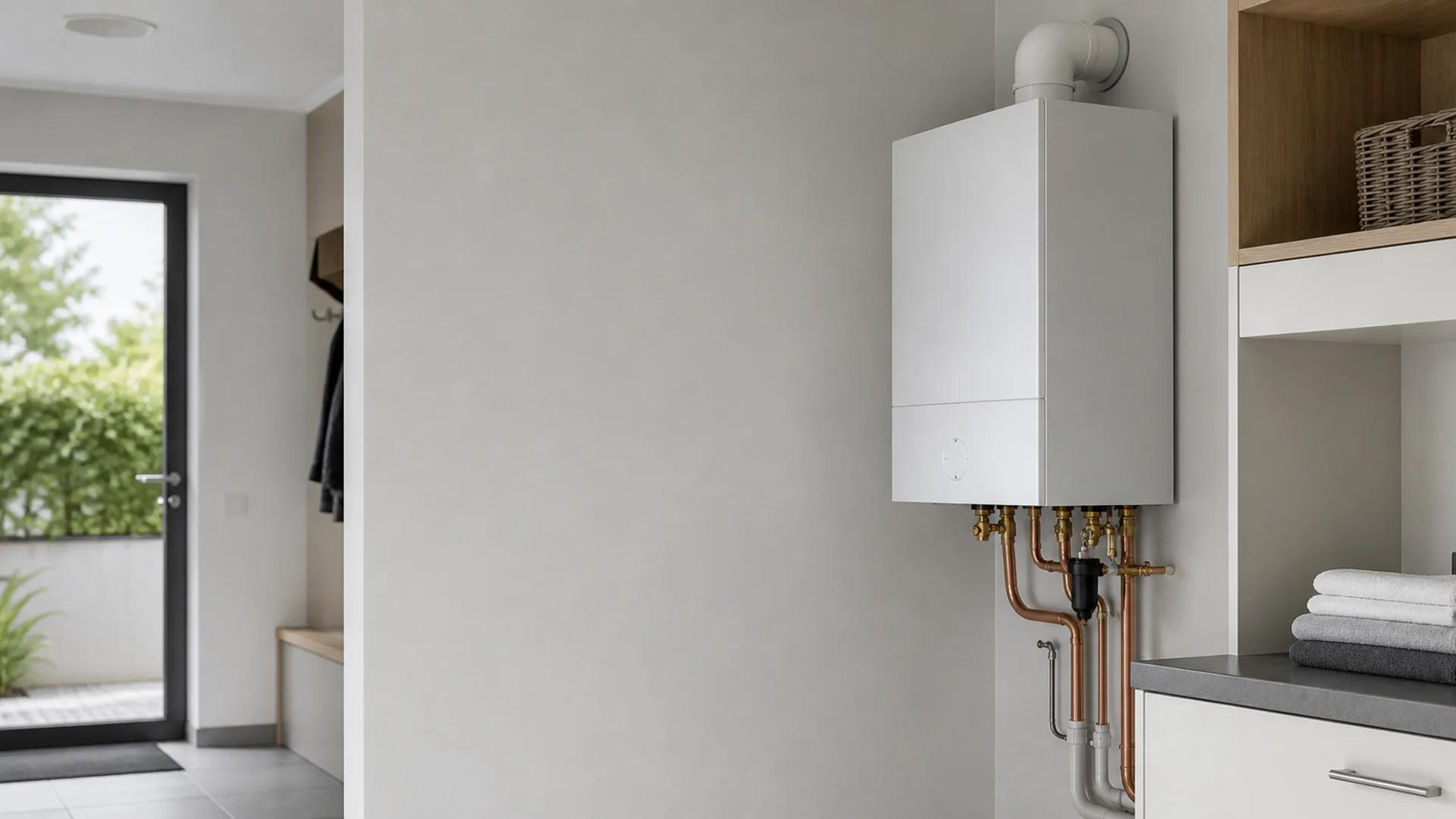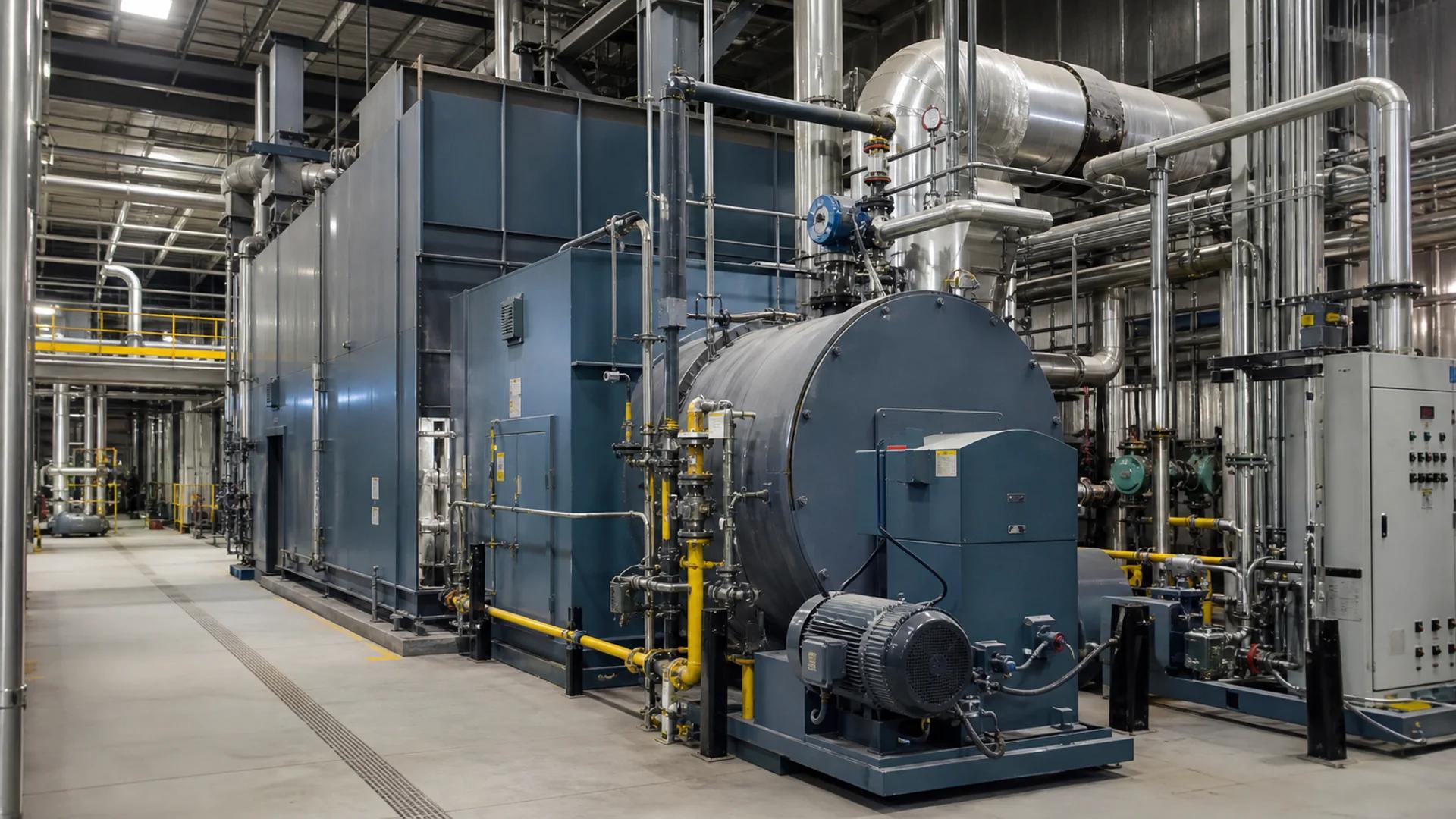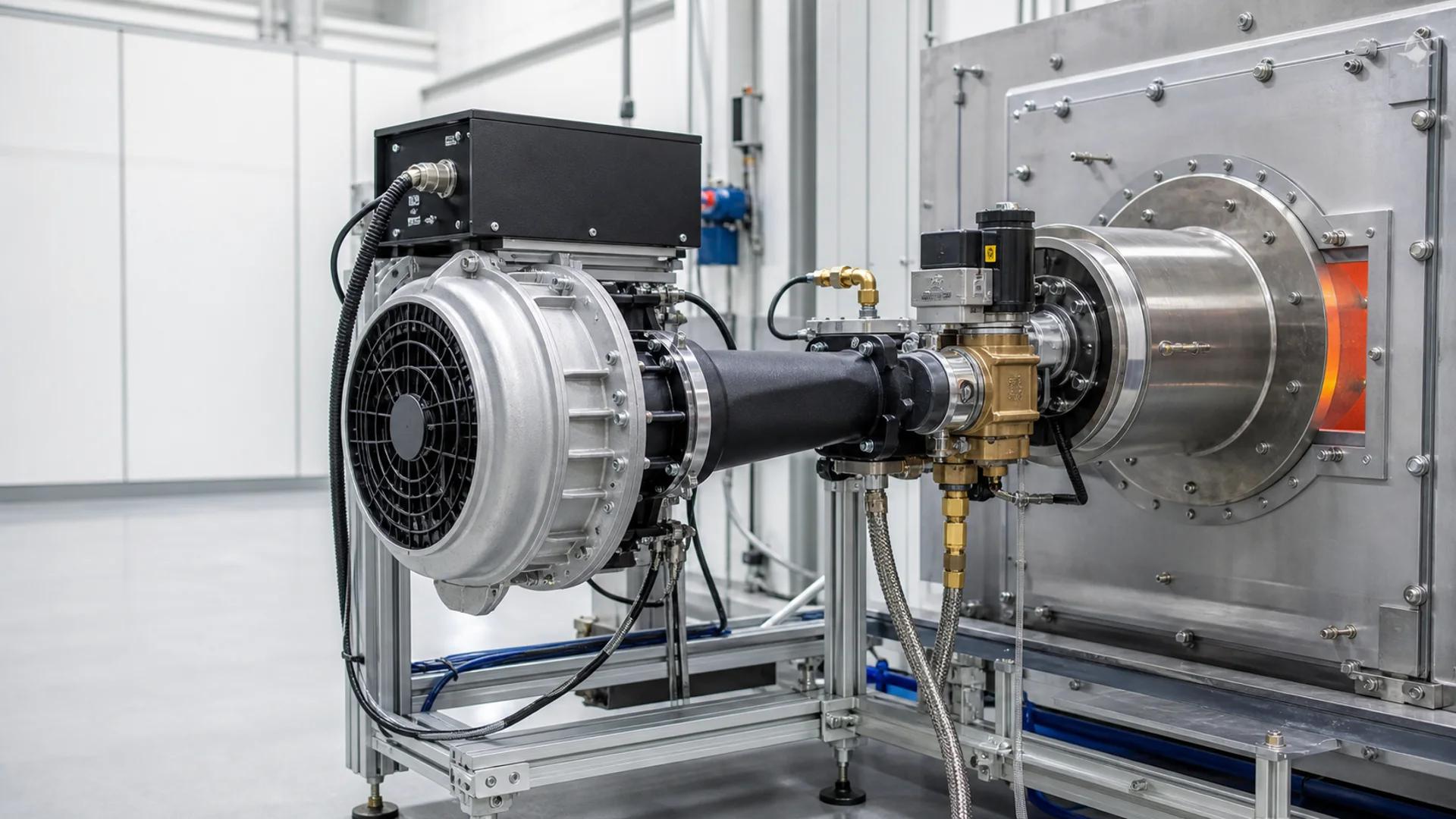

Commercial Boilers
Stable combustion air for commercial condensing and modular boilers. E-POWER blowers combine wide-range speed control with quiet, reliable operation under varying loads.
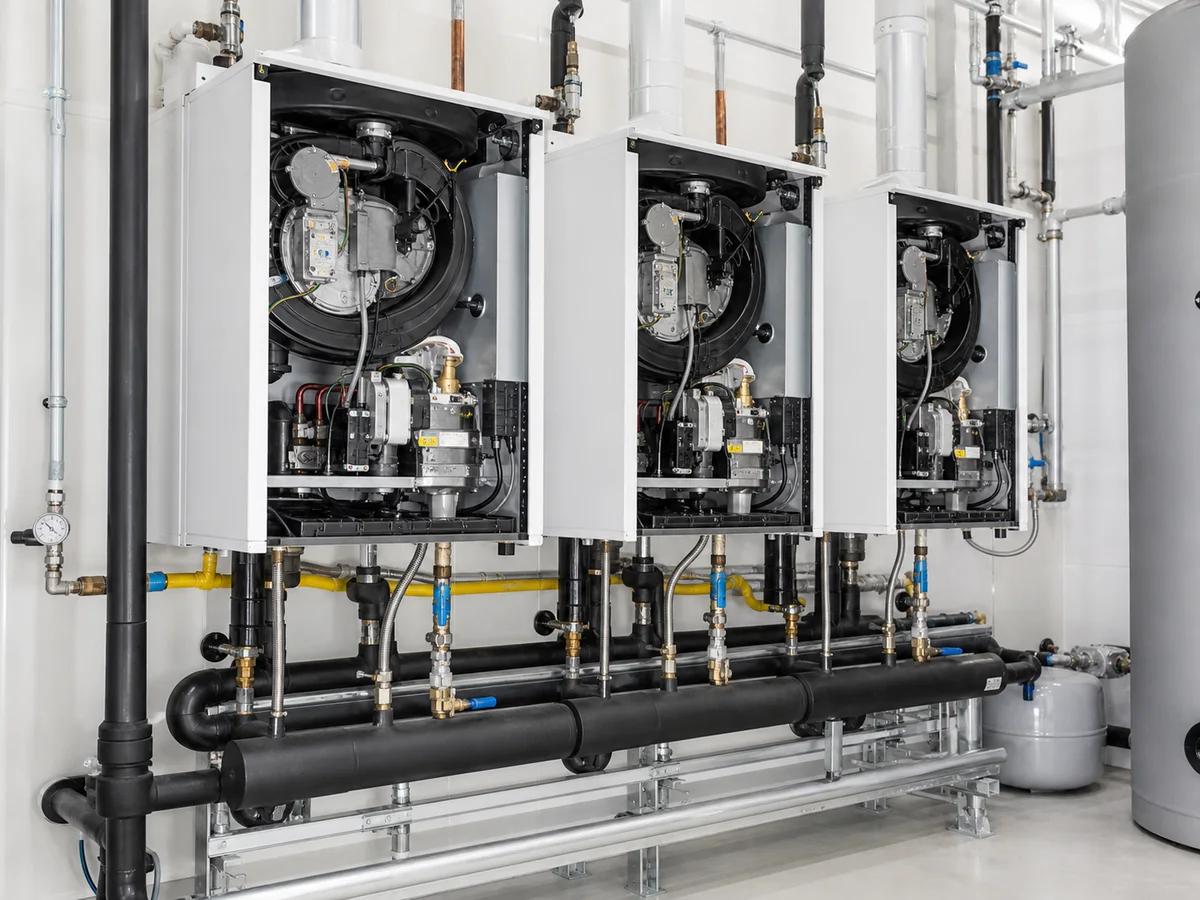
What the blower does
Airflow through the complete system
Provides a stable supply of combustion air, improving boiler efficiency and supporting continuous operation under high loads.
- Commercial condensing boiler
- Modular boiler
- 01
Plant demand
The building controller determines required boiler capacity.
- 02
Module controller
Individual boiler modules are staged and modulated.
- 03
Combustion blower
Each active module receives controlled combustion air.
- 04
Common heating circuit
Combined output follows the facility demand.
Recommended product range
Products for Commercial boilers
Start from required airflow at static pressure, then coordinate voltage, modulation range, Venturi, gas valve and heat-exchanger resistance.
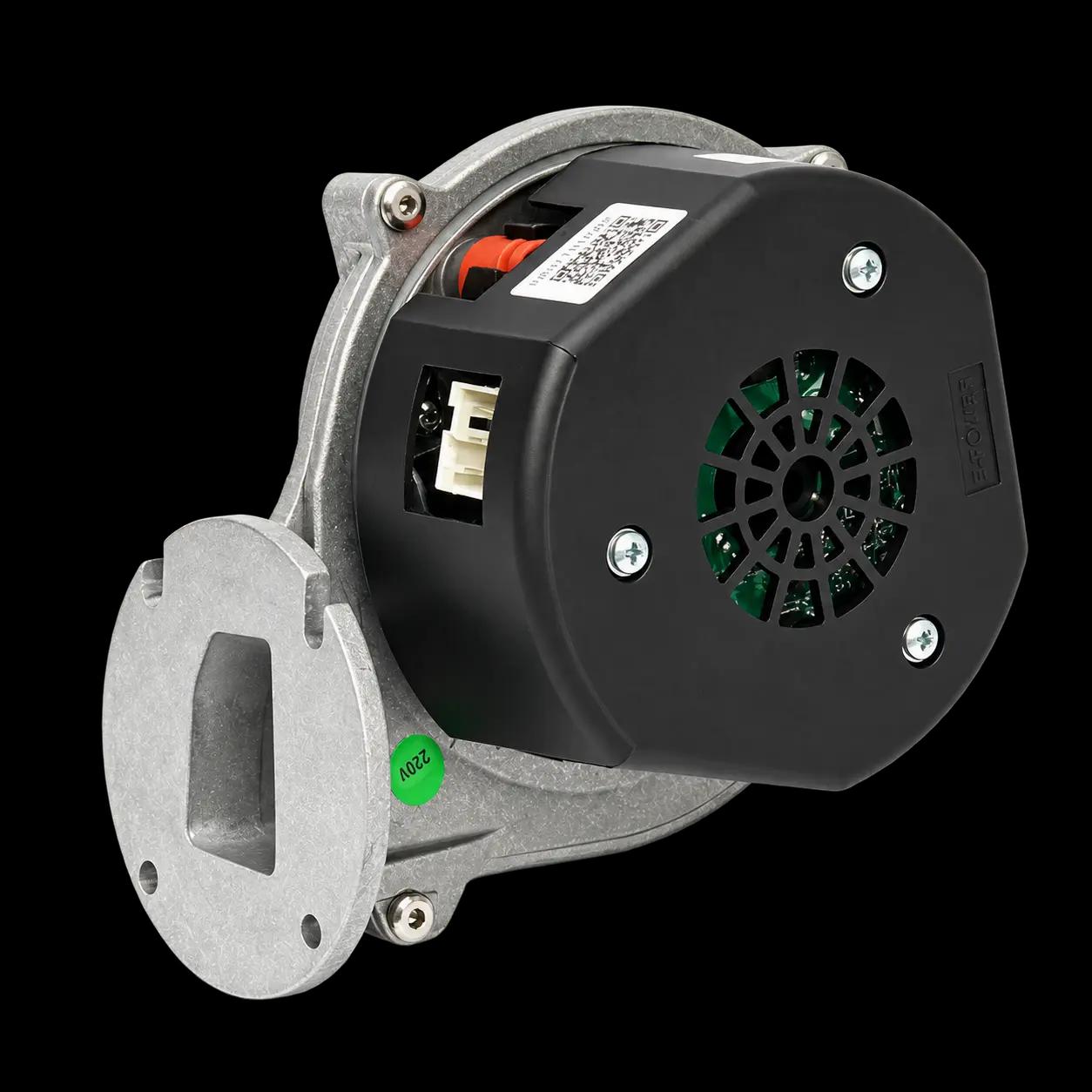
01 / 01
EC气体鼓风机
用于供暖和燃烧系统的EC气体鼓风机
高效 EC 气体鼓风机,专为加热和燃烧设备设计,具有先进的电子控制、稳定的气流性能、低能耗和可为 OEM 应用定制的解决方案。
View product details
Bring us the equipment requirement
Send the target operating point and integration constraints. We will help evaluate a suitable blower direction and validation plan.
FAQ
Questions from equipment manufacturers
Should each boiler module use the same blower configuration?+
Identical modules normally benefit from a common validated configuration, but different output modules may require separate operating curves or control calibration.
What should be tested for shared flue systems?+
Review the maximum and minimum module combinations, expected back pressure, start-up interaction and any non-return arrangements on the complete boiler plant.
How much pressure margin should a commercial boiler blower have?+
Margin should cover the validated boiler and flue resistance range without moving the blower into an inefficient or unstable region. It should be based on measured system curves rather than a fixed percentage alone.
Can one blower platform cover several boiler output ratings?+
A common platform may cover adjacent ratings when its operating map and control range meet each module's requirements, but every rating still needs combustion and thermal validation.
What data is required for blower matching?+
Useful inputs include module heat output, airflow-versus-pressure points, gas type, flue limits, voltage, control and feedback signals, operating hours, ambient temperature and installation envelope.
How should continuous-duty operation be evaluated?+
Review motor loading, winding and electronics temperatures, bearing conditions and expected speed profile during long runs at the highest specified ambient and system resistance.
How can module-to-module airflow consistency be controlled?+
A validated design, controlled components, defined end-of-line checks and consistent controller calibration help keep blower response within the limits required by cascade operation.
Can the blower provide speed or fault feedback?+
Feedback options depend on the selected motor and electronics. Required speed monitoring, alarm behavior and communication signals should be defined early in the OEM development process.