Industrial Heating Equipment
Dependable combustion airflow for industrial furnaces and boilers. E-POWER blowers deliver the pressure and control needed for demanding loads and continuous operation.
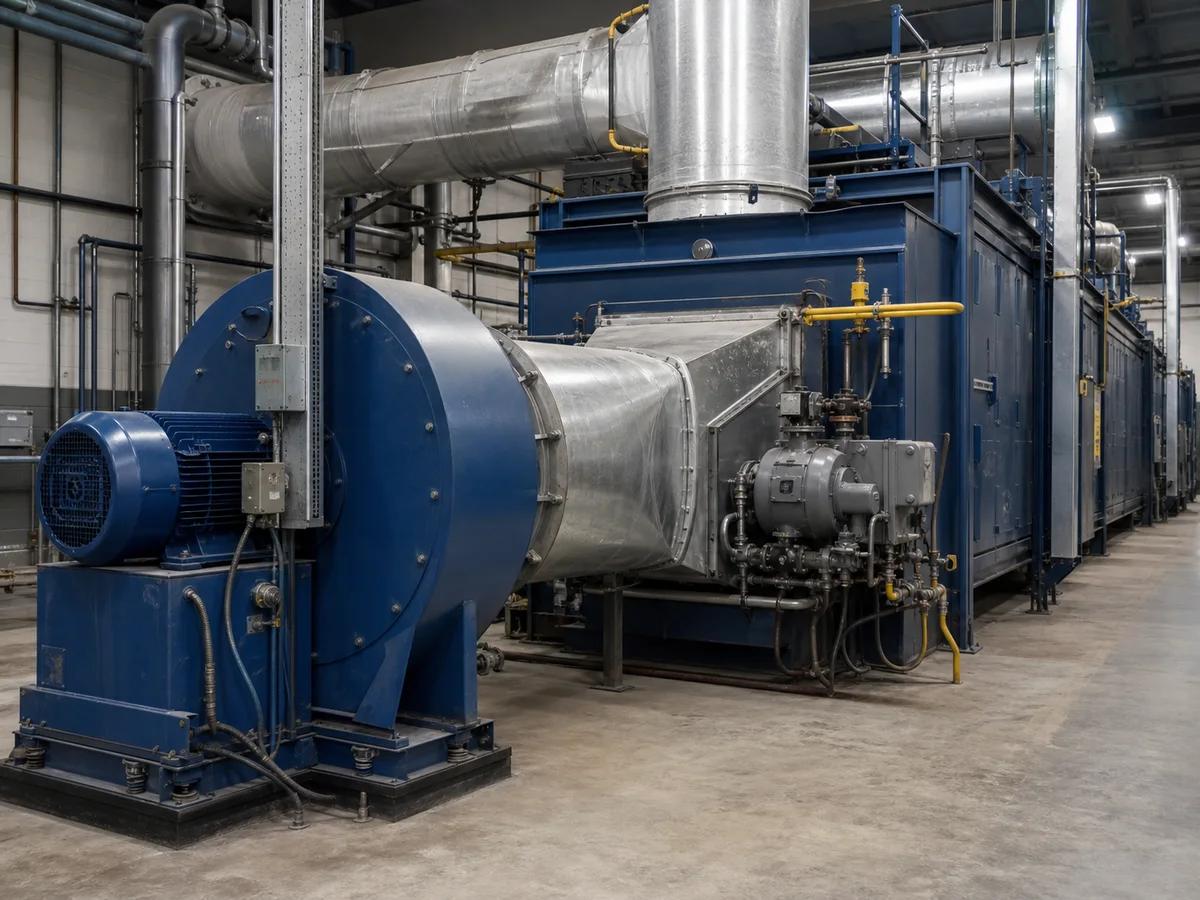
What the blower does
Airflow through the complete system
Meets industrial equipment requirements for stable combustion, high-pressure air supply, and long-term operation.
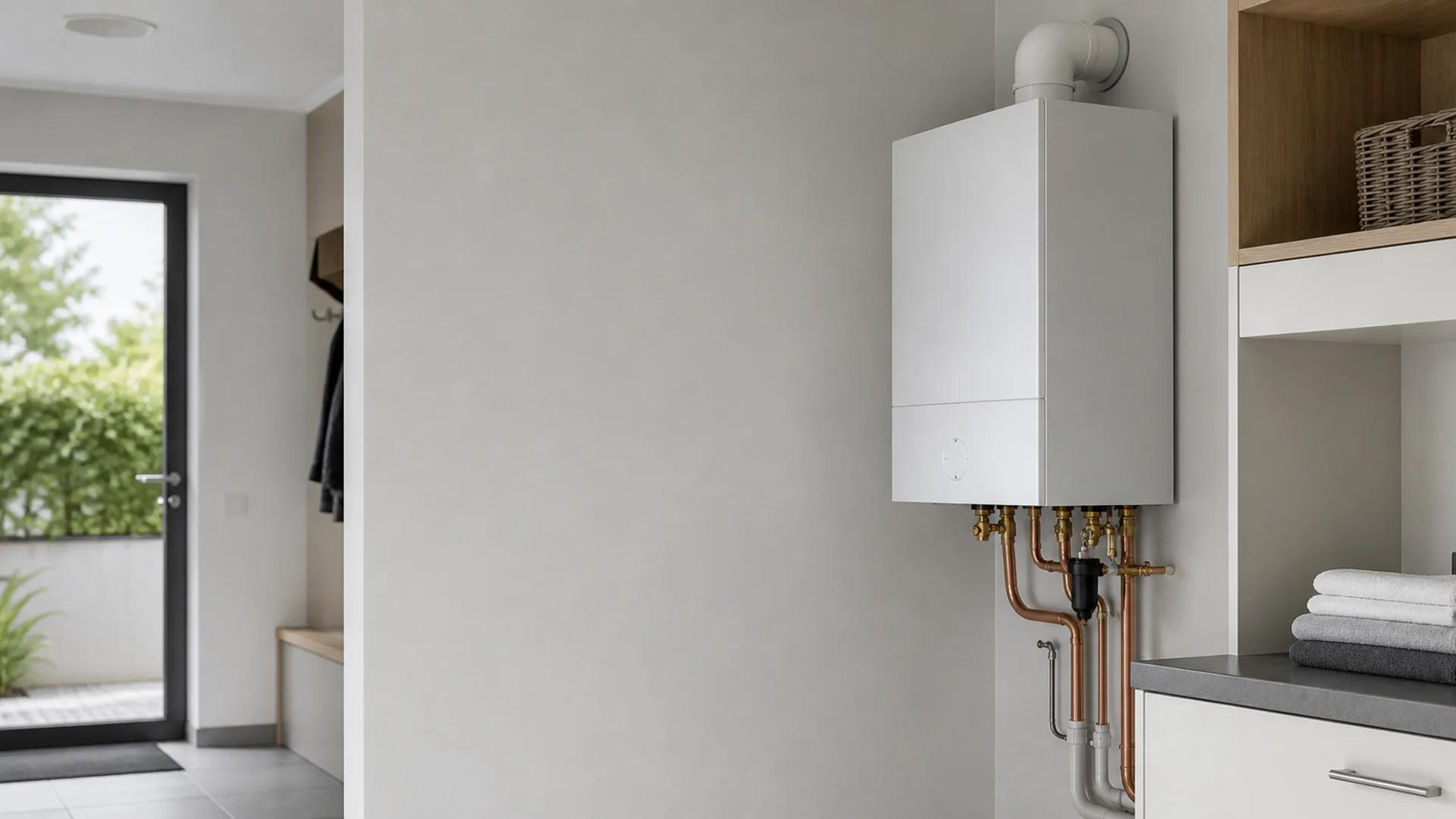
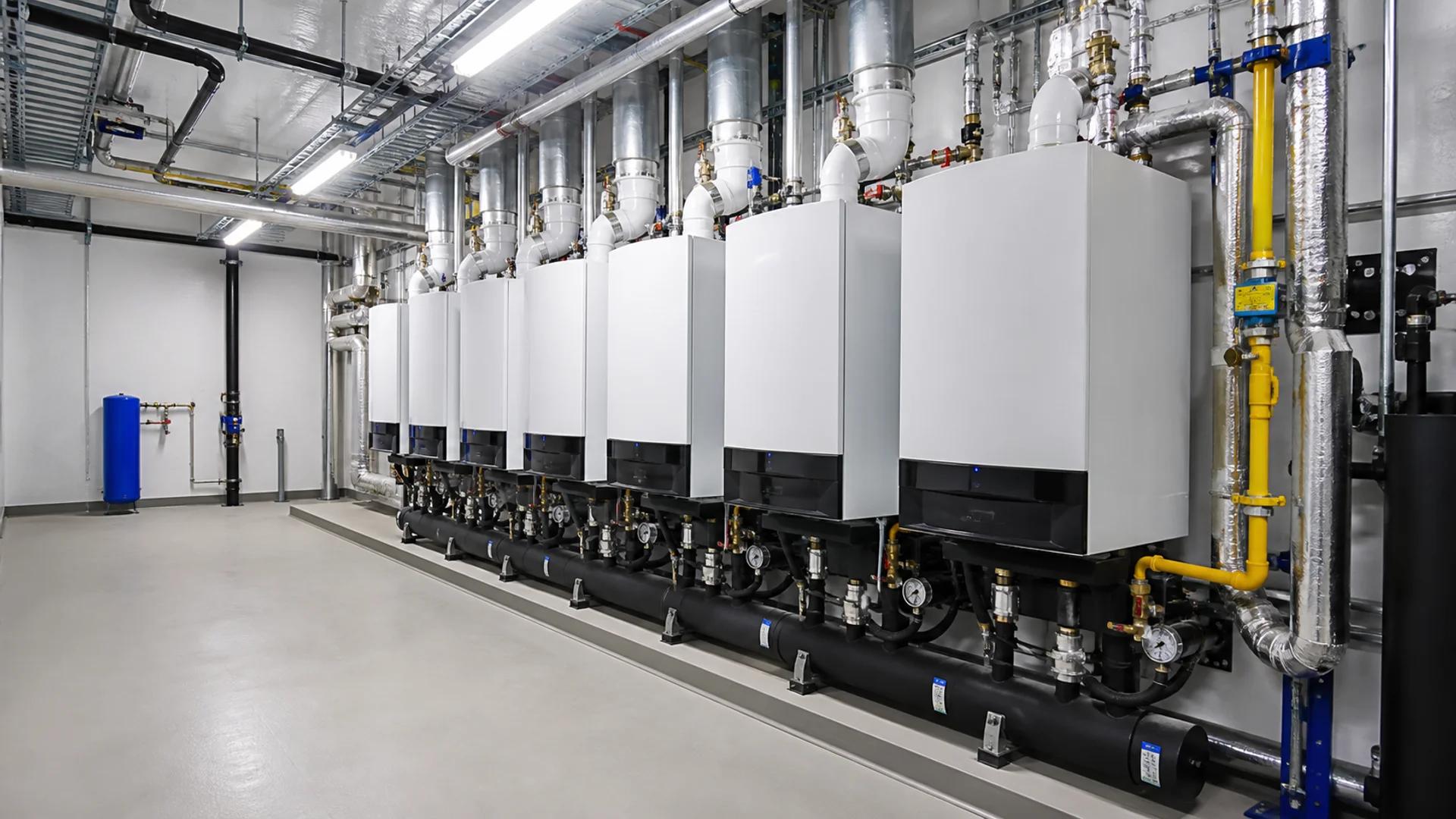
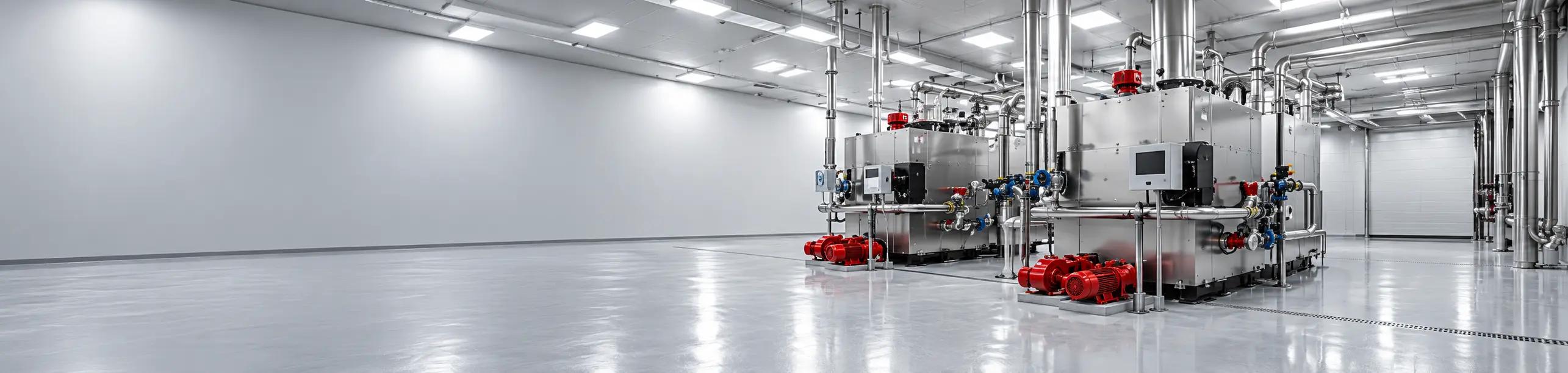
- Industrial gas-fired heating furnace
- Industrial hot-water boiler
- Industrial steam boiler
- 01
Process command
Production demand defines the required heat input.
- 02
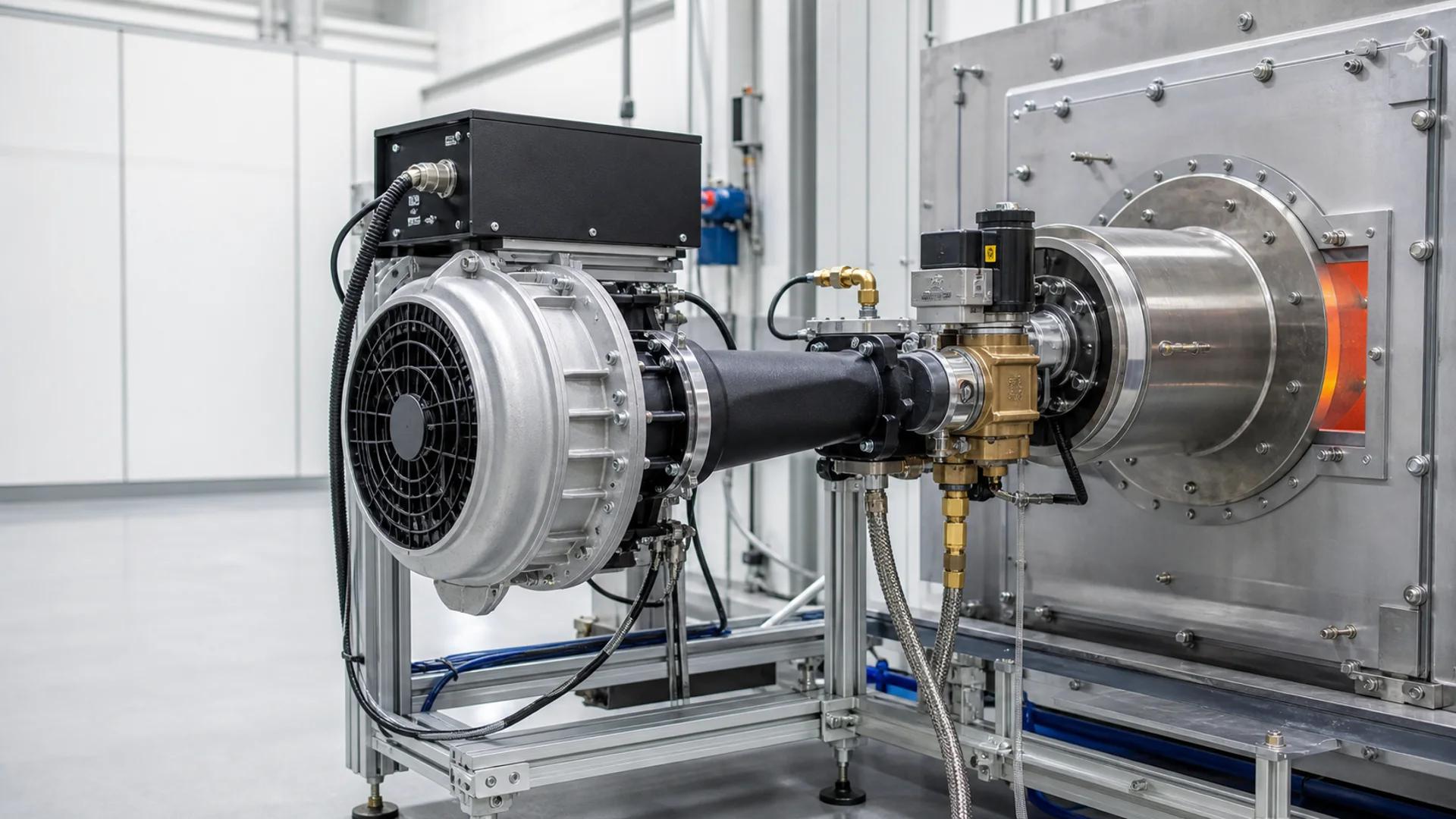
High-pressure blower
The blower provides pressure for the full air path.
- 03
Industrial burner
Controlled mixing supports stable process combustion.
- 04
Furnace or boiler
Heat is transferred to the process, water or steam circuit.
Recommended product range
Products for Industrial heating
Start from required airflow at static pressure, then coordinate voltage, modulation range, Venturi, gas valve and heat-exchanger resistance.
Products for this application are being updated. Browse the complete product range or contact our team for selection support.
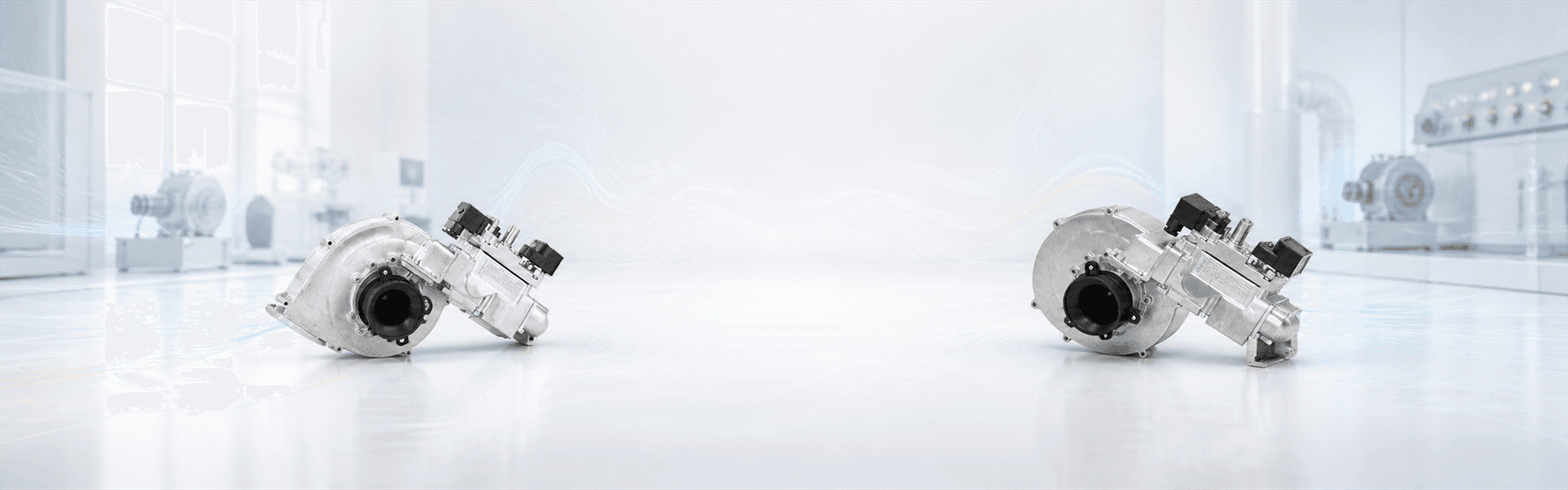
Bring us the equipment requirement
Send the target operating point and integration constraints. We will help evaluate a suitable blower direction and validation plan.
FAQ
Questions from equipment manufacturers
Why is free-air flow insufficient for industrial selection?+
Industrial systems can have substantial and changing resistance. Selection must use the required airflow at pressure on the real system curve.
Can the blower be adapted to an existing furnace layout?+
Mounting, outlet orientation, electrical connection and control strategy can be reviewed, subject to aerodynamic and structural feasibility.
What operating data is needed for industrial blower selection?+
Provide airflow and pressure at minimum, nominal and maximum process loads, along with gas type, air temperature, duty cycle, voltage, controls, environment, installation space and flue details.
How do temperature and altitude affect performance?+
Air density changes with temperature and altitude, affecting mass flow, pressure and motor loading. The actual site conditions should be included when defining and validating the operating points.
Can a blower handle dust or elevated ambient temperatures?+
Suitability depends on contaminant type, concentration, air temperature, motor cooling and protection requirements. These conditions must be specified before materials and configuration are selected.
How is performance maintained across changing process loads?+
Variable-speed control can move the blower between validated operating points, while the equipment controller coordinates airflow with fuel delivery and process demand.
What should be checked for continuous industrial operation?+
Thermal margin, bearing life, vibration, motor loading, electronics temperature and maintenance access should be checked at the most demanding expected operating condition.
Can existing ductwork and flues be included in the selection?+
Yes. Pressure-loss calculations or measurements for ducts, dampers, heat exchangers, burners and flues help establish the real system curve used for matching.